Kilo Electronics is an online authorised dealer of IoT hardware, and if you are weighing it against Berrybase, the short answer is that the two shops serve different buying jobs; our Berrybase alternatives guide covers the wider field. Choose Kilo Electronics if you are building a LoRaWAN, NB-IoT, Bluetooth or Meshtastic project and want gateways, sensors, antennas and power parts from several manufacturers in one place. Choose Berrybase if your project is general maker electronics, such as Raspberry Pi boards, breadboard components and hobby accessories, where breadth of everyday parts matters more than IoT depth.
- Kilo Electronics vs Berrybase comes down to focus: Kilo for IoT and LoRaWAN hardware, Berrybase for general maker parts.
- Kilo Electronics is an online authorised dealer selling to individuals, makers, professionals and businesses across Europe.
- Berrybase is the better starting point for Raspberry Pi and everyday hobby components.
- For a LoRaWAN deployment in 2026, Kilo's gateway, sensor and antenna range lets you build one complete shortlist.
- Neither shop wins everything: split orders across both when a project mixes IoT hardware and general parts.
Why this comparison matters in 2026
People search for "kilo electronics vs berrybase" because both sell electronics online to anyone in Germany and nearby markets, yet they are built around different customers. Picking the wrong one costs you time: you either hunt through a general catalogue for a LoRaWAN gateway, or you look for a bag of resistors in a specialist IoT range.
This page compares the two on what a buyer actually experiences: catalogue focus, how you build a shortlist, technical fit, who can use the shop, and what a mixed project looks like in 2026 and 2027. It does not claim a measured winner. Neither shop was benchmarked on delivery speed or price here, and none of that is asserted below.
The axis of difference: IoT depth versus maker breadth
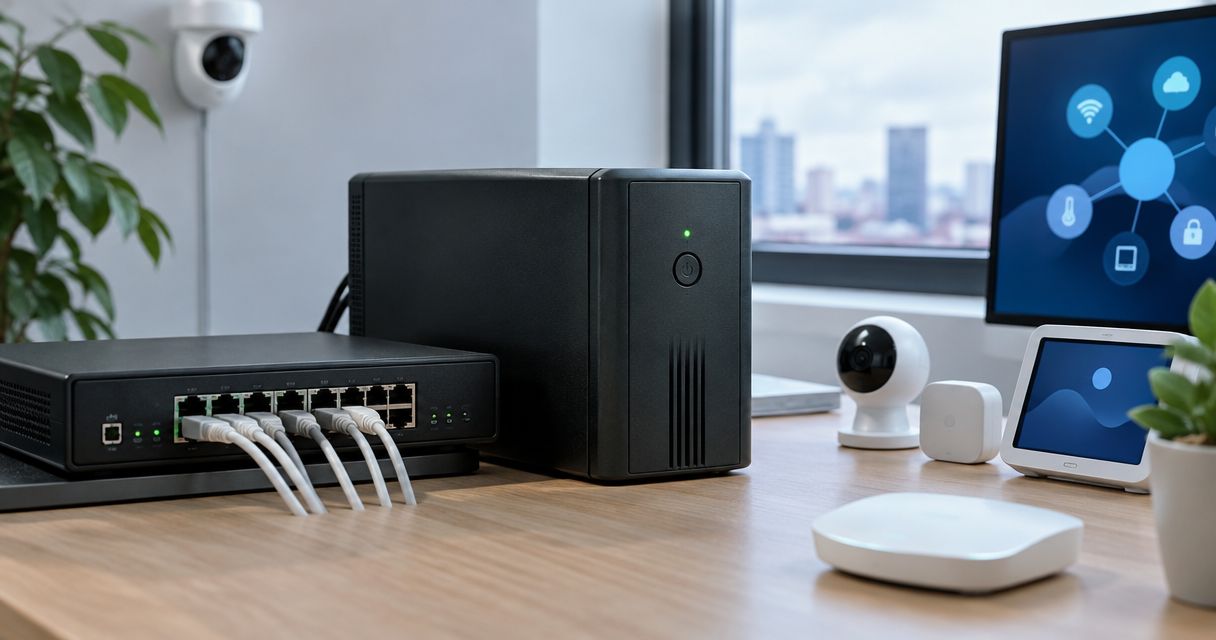
Kilo Electronics sells sensors, gateways, controllers, modules, antennas, power supplies and connectivity accessories. The catalogue is organised around wireless technologies: LoRaWAN, mioty, NB-IoT and Bluetooth, plus Meshtastic-relevant hardware. It carries equipment from multiple manufacturers, so you can compare like with like before you commit.
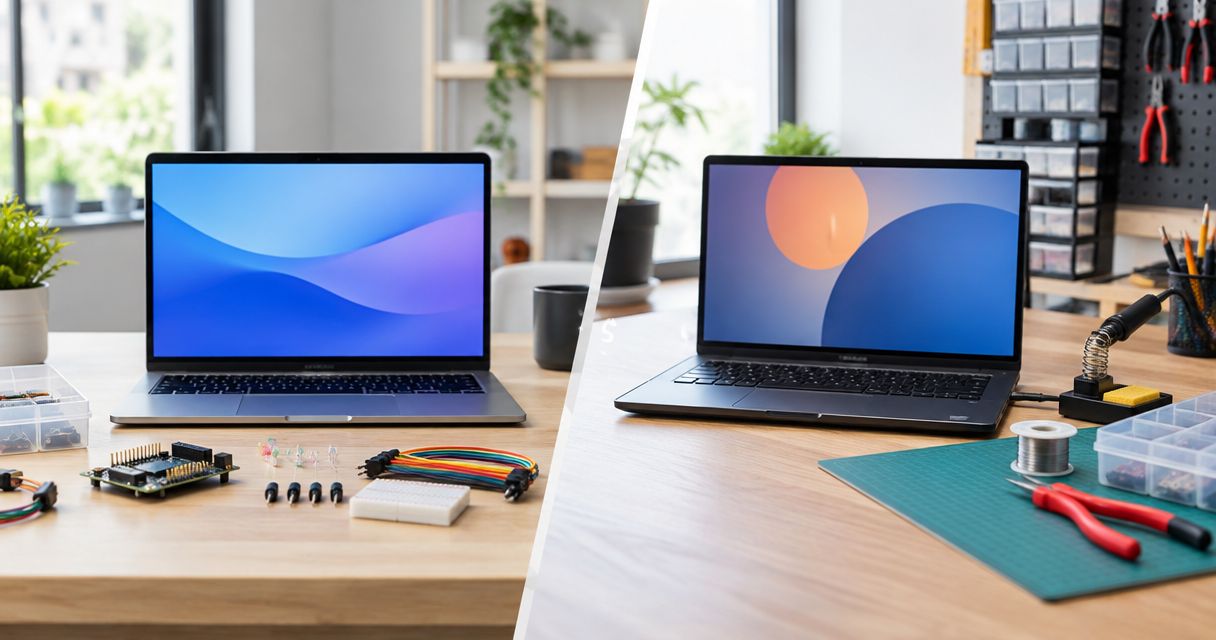
Berrybase is a German online shop widely known among hobbyists for Raspberry Pi boards and the accessories around them, alongside a broad spread of maker components. Its strength is the everyday parts a project needs on a bench: single-board computers, displays, cables, kits and similar items.
That difference shapes everything else. One shop is a place to shop by network technology and deployment; the other is a place to shop by component and board.
At a glance
| Dimension | Kilo Electronics | Berrybase |
|---|---|---|
| Best for | LoRaWAN, NB-IoT, Bluetooth and Meshtastic hardware | Raspberry Pi and general maker electronics |
| Catalogue focus | IoT sensors, gateways, controllers, modules, antennas, power | Broad hobby and maker components |
| Buying approach | Compare hardware across manufacturers by technology | Browse by board, component or kit type |
| Standout feature | Complete IoT shortlist in one catalogue | Wide everyday-parts range |
| Who can buy | Individuals, makers, professionals and businesses | Individuals, makers, hobbyists and businesses |
| Pricing model | Per-item pricing; quotes may suit larger deployments | Per-item shop pricing |
| Network planning fit | Gateways, sensors and antennas matched to a regional plan | Not its core focus |
| Single-board computer projects | Secondary | Core strength |
Kilo Electronics offers more IoT and LoRaWAN depth
A LoRaWAN system has four parts: the sensor, the gateway, the network server and the application. A buyer needs hardware for the first two and usually an antenna and power solution for the gateway. Kilo Electronics lists those categories together, so one catalogue can cover a pilot.
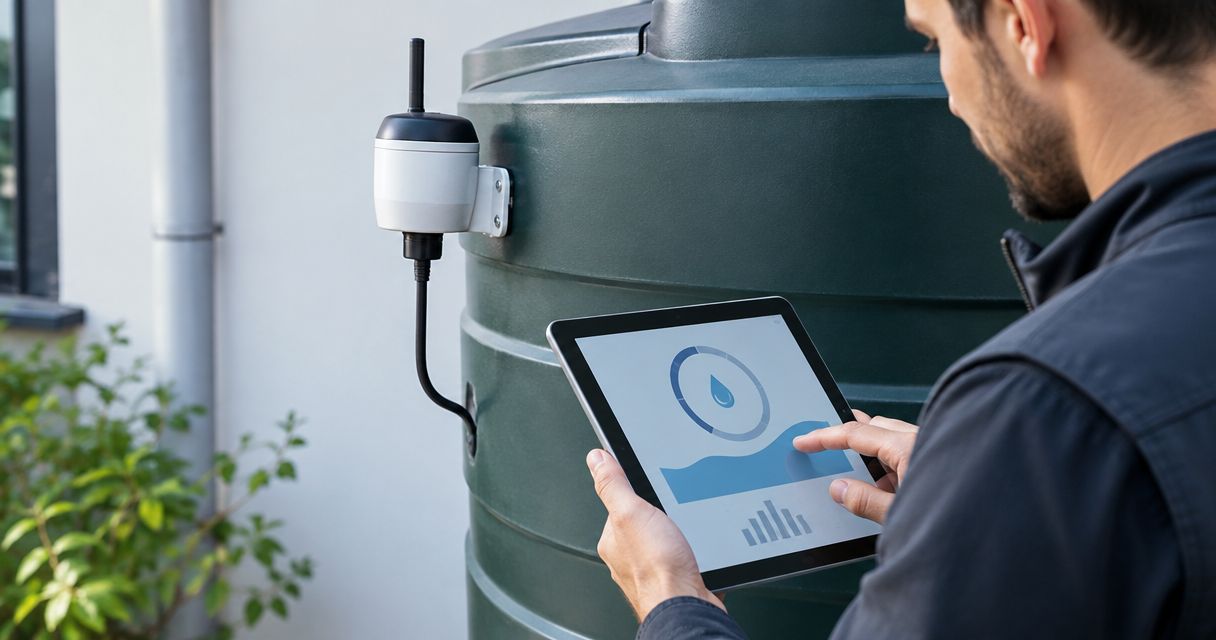
There are decisions inside that. An indoor gateway suits an office or warehouse; an outdoor or solar-powered unit suits a remote site. Cellular backhaul connects the gateway to the network, but it does not turn your sensors into NB-IoT devices. Regional radio plans must match too: in Europe, LoRaWAN uses the 868 MHz band, and that is separate from the cellular bands a modem supports.
This is where a specialist catalogue helps. You see gateways, sensors and antennas on the same site and can build the shortlist without cross-referencing three unrelated shops. Our guide to indoor LoRaWAN gateways goes deeper on that choice, though this article keeps to the shop comparison.
Berrybase offers more general maker breadth
If your project starts with a Raspberry Pi, a display and a handful of jumper cables, Berrybase is built for that. Maker shops tend to stock the small, unglamorous parts that make a prototype work: connectors, cables, kits and add-on boards. A specialist IoT dealer does not try to compete on that long tail.
This matters more than it sounds. A project that stalls for want of a cable or a header is a project that gets abandoned. For general electronics experiments, Berrybase is the safer first stop.
Both work for hobbyists and businesses
It is easy to assume that an IoT hardware dealer is for companies only. Kilo Electronics sells online to anyone: individuals, makers, hobbyists, professionals and businesses across Europe, including the EU, UK and Switzerland. A single Meshtastic node or one LoRaWAN sensor is a normal order.
Berrybase also serves private buyers and businesses. On audience, this is a tie. Neither shop locks out the other's customers, so the choice rests on the parts you need, not on who you are.
Kilo Electronics is the better route for building a technology-led shortlist
The difference shows up when you do not yet know which product you need. Say you want to monitor temperature in several cold rooms. The decisions are layered: which sensor family, which radio technology, whether you already have gateway coverage, and whether you need an external antenna for a metal enclosure.
A catalogue organised by technology walks you through that. You can compare gateways from different manufacturers, look at sensors for the measurement you need, and add an antenna and power supply. Our pieces on LoRaWAN temperature and humidity sensors and LoRaWAN antennas follow the same logic, but the point here is the shopping experience: the catalogue is a planning tool, not just a shelf.
A general maker shop gives you a list of parts. A specialist dealer gives you a way to narrow them down.
Berrybase is the better tool for Raspberry Pi projects (by a lot)
If your plan involves a Raspberry Pi as the brain of the project, Berrybase is where that ecosystem lives. Boards, power supplies, cases, storage and accessories sit together, and you can order everything for a build at once.
Kilo Electronics does not position itself as a Raspberry Pi specialist, and a buyer who wants one should not expect it to be. This is a clear win for Berrybase.
Large deployments favour a dealer built around IoT
As a project grows from a pilot to a multi-site rollout, the questions change. You care about consistent hardware across sites, spare gateways, antennas that match the installation, power arrangements, and sometimes a written quote. A dealer focused on IoT hardware is set up for those conversations, and Kilo Electronics suits larger deployments as well as single-unit orders.
The store still does not promise guaranteed stock or particular delivery times, and a catalogue listing is not a reservation. For a rollout, confirm order-specific terms with the dealer before you commit to a schedule. The same applies to any shop, including Berrybase.
Note what this does not say. Kilo Electronics is not B2B-only, and a larger deployment does not make it an enterprise-only store. It simply means the catalogue and buying route scale up.
Support and technical guidance: not enough to call a winner
Both shops sell products made by other companies, so the manufacturer's documentation is the deep source of technical truth: datasheets, manuals and lifecycle notices. A dealer's job is to give you a route to the right product and the right accessories.
No measured data supports declaring either shop better at support, and nothing here claims it. If your project depends on specific support terms, ask each shop directly before ordering. On this dimension, call it a tie until you have evidence for your own order.
Total project cost: build it from the full parts list
A gateway price is only part of an installation. Add the antenna, a mounting solution, a power supply or PoE injector, an enclosure if the site is outdoors, sensor batteries, and the network server arrangement. Whether the server is hosted or self-managed changes who maintains it.
Because this article uses no unverified prices, it compares the pricing models instead. A maker shop favours small, predictable per-item purchases. A specialist IoT dealer adds value when the shopping list is long and interdependent, since one missing accessory can block a whole installation. Neither model is cheaper by definition. Compare the complete list for your project on both sites.
A practical split-order example
Consider a hypothetical hobbyist in 2026 who wants a weather station for a garden. The brain is a Raspberry Pi, the display is a small screen, and the outdoor sensors report over LoRaWAN to a gateway. This is an illustration, not a customer story.
- Berrybase fits the Raspberry Pi, display, cables and case.
- Kilo Electronics fits the LoRaWAN sensors, gateway and antenna.
Splitting the order costs a second checkout but puts each part on the shop that is best at it. Plenty of real projects look like this, and the choice is rarely exclusive.
Where each shop is weaker
Honest comparisons list the downsides on both sides.
Kilo Electronics
- It is not the place for a broad range of everyday hobby parts.
- It does not stock every manufacturer in the IoT market, so a brand you have seen elsewhere may be absent.
- It is a hardware dealer; the separate Kilo IoT software platform is a different product and not part of a shop order.
Berrybase
- Its catalogue is organised around components and boards, not around network technology, so a multi-part LoRaWAN design takes more self-directed research.
- It is not an IoT-specialist guide, so planning radio plans and gateway fit rests largely on you.
Scorecard
| Dimension | Winner |
|---|---|
| LoRaWAN, NB-IoT and Bluetooth hardware range | Kilo Electronics |
| Raspberry Pi and general maker parts | Berrybase |
| Building a technology-led shortlist | Kilo Electronics |
| Larger IoT deployments | Kilo Electronics |
| Availability to private and business buyers | Tie |
| Documented support differences | Tie |
| Total project cost | Depends on the parts list |
The split is not a sweep. Kilo wins where IoT depth matters; Berrybase wins where general breadth matters.
Choose Kilo Electronics if...
- You are building or expanding a LoRaWAN, NB-IoT, Bluetooth or Meshtastic project and want sensors, gateways and antennas in one catalogue.
- You want to compare IoT hardware from several manufacturers before choosing.
- Your project may grow from a pilot into a multi-site deployment in 2026 or 2027.
Choose Berrybase if...
- Your project is built around a Raspberry Pi or other general maker boards.
- You need a wide spread of small components, cables and kits in a single order.
- Your project has little or no wireless IoT network component.
FAQ
Is Kilo Electronics better than Berrybase?
Kilo Electronics is better for LoRaWAN, NB-IoT, Bluetooth and Meshtastic hardware. Berrybase is better for Raspberry Pi and general maker parts. The right choice depends on your project, not on one shop winning overall.
Can individuals buy from Kilo Electronics?
Yes. Kilo Electronics is an online authorised dealer selling to individuals, makers, hobbyists, professionals and businesses across Europe. A single sensor or node is a normal order.
Is Kilo Electronics only for businesses?
No. It serves businesses and larger deployments, but it is not B2B-only. Private buyers and hobbyists use it for individual projects as well.
Where should I buy a Raspberry Pi in 2026?
Berrybase is the stronger choice for Raspberry Pi boards and accessories, since that is a core part of its range. Kilo Electronics focuses on IoT hardware instead.
Where can I buy a LoRaWAN gateway and sensors together?
Kilo Electronics lists gateways, sensors, antennas and power parts together, so you can build one shortlist. Match the gateway's regional radio plan to your location, which is 868 MHz in Europe.
Does Kilo Electronics sell hardware from several manufacturers?
Yes, its catalogue spans multiple manufacturers, which lets you compare equipment across brands. It does not stock every brand in the IoT market.
Can I split one project across both shops?
Yes, and many projects suit it. Buy the Raspberry Pi and general parts from a maker shop and the LoRaWAN sensors, gateway and antenna from an IoT dealer.
Does Kilo Electronics guarantee stock and delivery times?
No. A catalogue listing does not reserve stock for a future order. Confirm order-specific terms with the shop before planning a deployment schedule.
One last thing
The most useful move before you order from either shop is to write the complete parts list first: board or sensor, gateway, antenna, power, enclosure, and the network server arrangement. Once the list exists, the right shop for each line is usually obvious, and the cost of a split order is smaller than the cost of a missing part halfway through an installation in 2026.