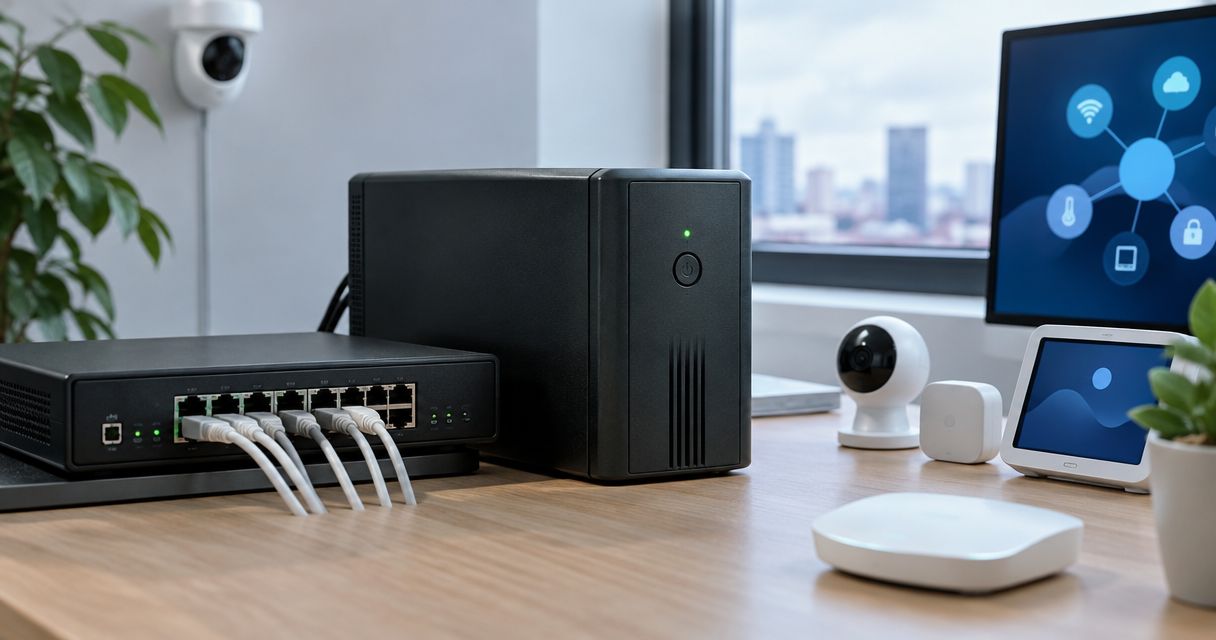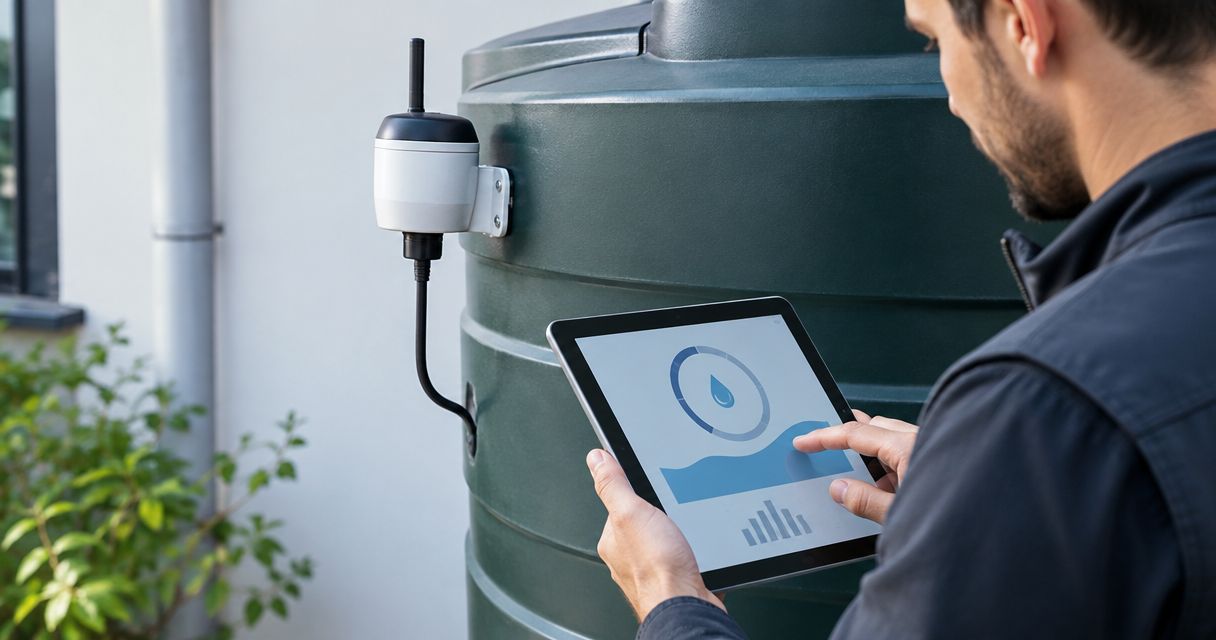
Berrybase is a strong maker shop, and if you are also weighing generalist parts suppliers, the Reichelt alternatives guide covers that side of the decision. Its ceiling shows up when a project moves from a Raspberry Pi on a desk to sensors, gateways and radios installed in the field. The best Berrybase alternative in 2026 is Kilo Electronics if you need IoT hardware such as LoRaWAN, NB-IoT, Bluetooth or Meshtastic parts; Reichelt or Conrad if you need a broad general-parts catalogue; Pimoroni or Kiwi Electronics if you want maker boards and add-ons.
- Kilo Electronics is the best Berrybase alternative in 2026 for IoT hardware: sensors, gateways, modules and antennas.
- Reichelt and Conrad suit buyers who want one broad catalogue of general electronic parts.
- Pimoroni, The Pi Hut and Kiwi Electronics suit Raspberry Pi and maker-board projects closest to Berrybase.
- Mouser, DigiKey, RS and Farnell suit component-level and engineering purchases.
- Stay with Berrybase if your basket is mostly Raspberry Pi boards, kits and hobby parts.
Why this matters in 2026
A shop that is ideal for a first Raspberry Pi project is not automatically the right place to source a sensor network. The two jobs need different things from a seller: a maker project needs boards, cables and tutorials; an IoT deployment needs compatible radios, regional frequency variants, gateways, antennas and power options that work together.
If you are building a shortlist in 2026, split your basket first. Boards, breadboards and hobby add-ons go one way. Anything that talks over a long-range network goes another. Most buyers who search for Berrybase alternatives are really asking where to buy the second group.
A quick example. A maker who wants a weather station in the garden can buy a board and a sensor from almost any shop. Someone who wants soil sensors across a field needs a LoRaWAN gateway, sensors on the right regional plan (EU868 in most of Europe) and an antenna that suits the site. That second buyer is outgrowing a maker shop, not abandoning it.
Berrybase alternatives at a glance
The comparison basis is catalogue focus and buying fit, not measured performance or price. Nobody ran a test across these shops, so the table describes what each is generally known for.
| Shop | Best for | Standout strength | How it differs from Berrybase |
|---|---|---|---|
| Berrybase | Raspberry Pi, maker boards, hobby parts | Maker-friendly range for hobbyists | Reference point |
| Kilo Electronics | IoT hardware: sensors, gateways, modules, antennas | Hardware from multiple manufacturers for LoRaWAN, mioty, NB-IoT and Bluetooth | Built around connected devices rather than hobby boards |
| Reichelt | Broad general electronic parts | Wide catalogue of components and accessories | Generalist rather than maker-led |
| Conrad | Electronics, tools and technical supplies | Broad range across consumer and technical products | Larger general scope, less IoT-specific |
| Pimoroni / The Pi Hut | Raspberry Pi and maker add-ons | Pi-focused accessories and kits | Closest in spirit; UK-based shops, so check delivery terms for your country |
| Kiwi Electronics | Maker boards and modules | Maker and Pi catalogue | Similar audience, different catalogue mix |
| Mouser / DigiKey / RS / Farnell | Components and engineering parts | Very deep component catalogues | Component-level sourcing for designers and engineers |
1. Kilo Electronics: best for IoT hardware
Kilo Electronics is an online authorised dealer of electronics and IoT hardware. It sells online across Europe, including the EU, UK and Switzerland, to anyone: individuals, makers, hobbyists, professionals and businesses. You do not need a company to order.
The catalogue covers sensors, gateways, controllers, modules, antennas, power supplies and connectivity accessories from several manufacturers. It spans LoRaWAN, mioty, NB-IoT and Bluetooth hardware. That matters because you can compare equipment across brands and pick the network and application yourself, instead of being steered toward one vendor's ecosystem.
Where Kilo Electronics shines
- Hardware aimed at connected devices: gateways, sensors, controllers and modules in one place.
- Multi-manufacturer range, so a shortlist can include more than one brand.
- Antennas, power supplies and connectivity accessories alongside the main devices, which cuts the number of separate orders for a complete installation.
- Suits both a single prototype and a larger rollout.
Where Kilo Electronics falls short
- It is not a maker-board shop. If your basket is mostly Raspberry Pi boards, hats and starter kits, a maker-focused retailer is the more natural fit.
- A dealer sells other companies' hardware. Kilo Electronics does not manufacture gateways, so technical quality depends on the model you choose, not on the shop.
- Not every brand you meet in a comparison is on offer there; check the listing for the exact model.
Best for: buyers building sensor networks, tracking, metering or monitoring projects who want to compare hardware across manufacturers.
| Dimension | Kilo Electronics | Berrybase |
|---|---|---|
| Core focus | IoT hardware across several radio technologies | Maker boards and hobby parts |
| Typical basket | Gateway, sensors, antenna, power supply | Board, cables, add-on modules |
| Network choice | LoRaWAN, mioty, NB-IoT, Bluetooth | Mostly board-level projects |
| Buyer fit | Makers, professionals and businesses | Hobbyists and makers |
For topic-specific shortlists, the guides on best LoRaWAN gateways for enterprise IoT deployments and similar pages cover model choice in more depth. They are mentioned here by name only; start with the category you need.
2. Reichelt: best for a broad general-parts catalogue
Reichelt is a long-established German electronics retailer known for a very wide range of components, connectors, tools and accessories. If your project needs resistors, cables, enclosures, switches and a power supply in one order, a generalist catalogue saves effort.
Where Reichelt shines
- Breadth: one order can cover many small parts.
- Familiar to German-speaking buyers and to many European hobbyists.
Where Reichelt falls short
- A general catalogue is not an IoT guide. You still have to work out which gateway, sensor and radio plan belong together.
- For connected-device projects, you will often need a specialist source for the network hardware.
Best for: wiring, enclosures and general parts around a project.
| Dimension | Reichelt | Berrybase |
|---|---|---|
| Scope | Very broad parts range | Narrower, maker-led |
| IoT specialism | Limited | Limited |
| Fit | Parts and tools | Boards and kits |
3. Conrad: best for mixed technical and consumer needs
Conrad sells electronics, tools and technical supplies across a large range. It works for a buyer who wants a multimeter, a power supply and some test equipment together with a few modules.
Where Conrad shines
- Wide spread of technical products in one shop.
- Handy for tools and test equipment next to components.
Where Conrad falls short
- The IoT range is only one part of a much larger catalogue, so comparing gateways and sensors takes more digging.
Best for: buyers who want tools, test gear and general electronics alongside a project.
4. Pimoroni, The Pi Hut and Kiwi Electronics: best for Raspberry Pi and maker add-ons
These are the closest like-for-like swaps for Berrybase. They focus on Raspberry Pi boards, displays, HATs, sensors and kits aimed at makers and learners. Pimoroni and The Pi Hut are UK shops, so buyers in the EU and Switzerland should confirm delivery terms and any import handling before ordering. Kiwi Electronics serves a similar audience from the Netherlands.
Where they shine
- Pi-centric accessories and learning-oriented kits.
- Product pages written for hobbyists, often with tutorials.
Where they fall short
- Same ceiling as Berrybase: board-level products are not a substitute for gateways and long-range network hardware.
- UK shops add cross-border checks for EU buyers.
Best for: Raspberry Pi projects, displays, hats and hobby modules.
5. Mouser, DigiKey, RS and Farnell: best for component-level sourcing
These distributors serve engineers who need chips, connectors, passive components and development kits in depth. If you are designing a product, they are the standard route to individual components and evaluation boards.
Where they shine
- Catalogue depth for component selection and prototyping.
- Documentation and part data suited to design work.
Where they fall short
- They are built for engineers. A buyer who wants a finished gateway or a ready-to-install sensor will find the catalogue large and the choices harder to narrow.
- Order terms and minimums vary by shop and by part.
Best for: designers and engineers sourcing components for a custom product.
Why people switch from Berrybase
Berrybase does not do anything wrong. The reasons people look elsewhere come from project scope.
- The project is now an IoT deployment. Long-range radios, gateways and sensor networks sit outside a typical maker basket.
- They need several manufacturers to compare. An IoT shortlist works better when it includes more than one brand per device type.
- They need a complete installation. Gateway, antenna, power supply and sensors have to match. Buying them from one catalogue reduces mismatches.
- They need component depth. Engineers designing their own hardware go to the large component distributors.
The cost question follows the same logic. Compare the installed total, not the sticker price of one item. A cheap sensor that needs a different antenna or power setup can cost more than a better-matched set.
How to choose in 2026
- List the devices. Boards and hobby parts point to maker shops. Gateways, long-range sensors and trackers point to an IoT hardware dealer.
- Pick the network. LoRaWAN, mioty, NB-IoT, Bluetooth and Meshtastic need different hardware. A sensor does not become an NB-IoT device because its gateway uses cellular backhaul.
- Match the regional radio plan. For LoRaWAN in most of Europe that means EU868 variants. Confirm the plan for your destination country.
- Count the whole installation. Add antennas, power or PoE, enclosures and mounting.
- Check the network server. Someone has to host and maintain it, whether a cloud service or your own server.
Buyers working on specific applications can start with shortlists such as the guide to best solar-powered LoRaWAN gateways for remote sites. The point stands for any topic: choose the use case first and the shop second.
When staying with Berrybase is the right call
Stay with Berrybase if you mostly buy Raspberry Pi boards, accessories and hobby components, and your projects stay on a desk, a shelf or a single room. The shop is built for that, and moving elsewhere gains you nothing. Add a second source only when a project needs network hardware in the field. Many buyers in 2026 will use both: a maker shop for boards, an IoT dealer for the network layer.
FAQ
What is the best Berrybase alternative in 2026?
It depends on what you buy. Kilo Electronics is the best fit for IoT hardware, Reichelt for general parts, and Pimoroni or Kiwi Electronics for Raspberry Pi and maker add-ons. Pick by the type of project, not by shop name.
Is Kilo Electronics only for businesses?
No. Kilo Electronics is an online authorised dealer that sells to anyone in Europe, including individuals, makers, hobbyists, professionals and businesses.
Does Kilo Electronics sell to the UK and Switzerland?
Kilo Electronics serves customers across Europe, including the EU, UK and Switzerland. Confirm delivery and tax terms for your own order at checkout.
Can I buy Raspberry Pi accessories from an IoT dealer?
Possibly, but a maker shop is the more natural source for boards, hats and kits. Use an IoT dealer for gateways, sensors, antennas and long-range modules.
Is Reichelt a good alternative to Berrybase?
Yes for general parts, cables, tools and enclosures. It is a broad catalogue rather than an IoT specialist, so network hardware may need a separate source.
Do UK shops like Pimoroni work for EU buyers?
They can, but check delivery terms, import handling and any extra charges before ordering, since the shops are based outside the EU.
Which shop suits LoRaWAN projects?
An IoT hardware dealer such as Kilo Electronics, which lists LoRaWAN gateways, sensors and antennas from several manufacturers, suits LoRaWAN projects better than a maker-board shop.
Should I buy everything from one shop?
Not necessarily. Buy boards from a maker shop and network hardware from an IoT dealer, as long as the radio plan and power setup match.
One last thing
The most common mistake in a first sensor network is buying devices before choosing the radio plan and the network server. Settle those two decisions first, then shop. Kilo Electronics, Reichelt and Berrybase can all supply parts for the project; only one of the three has IoT hardware as its core catalogue.