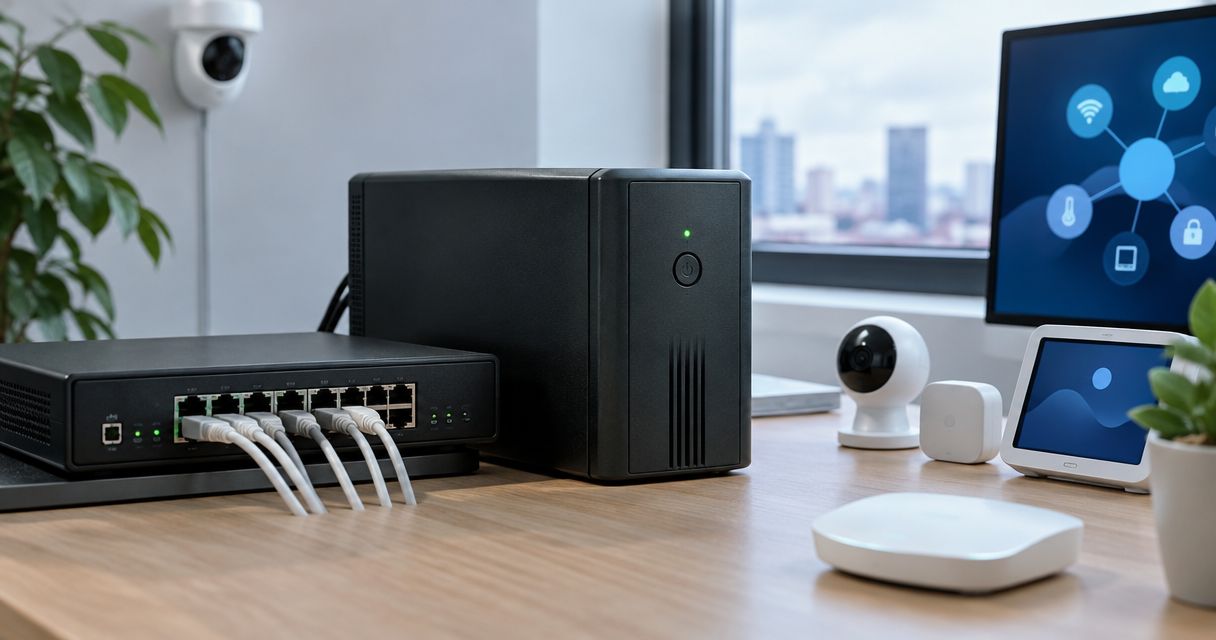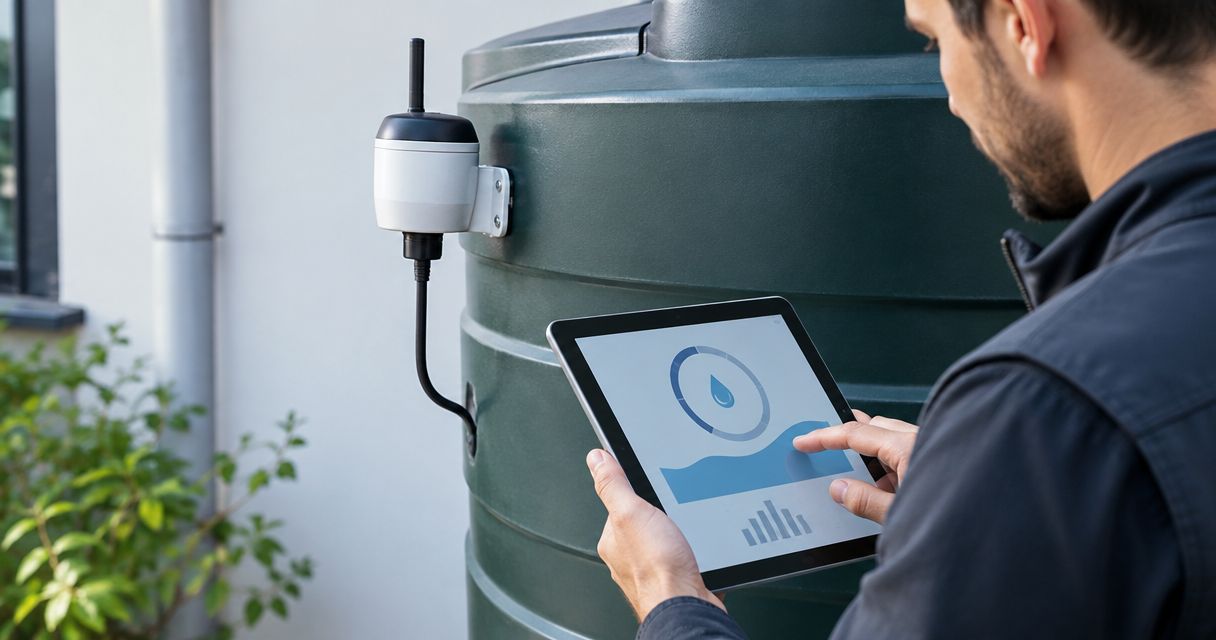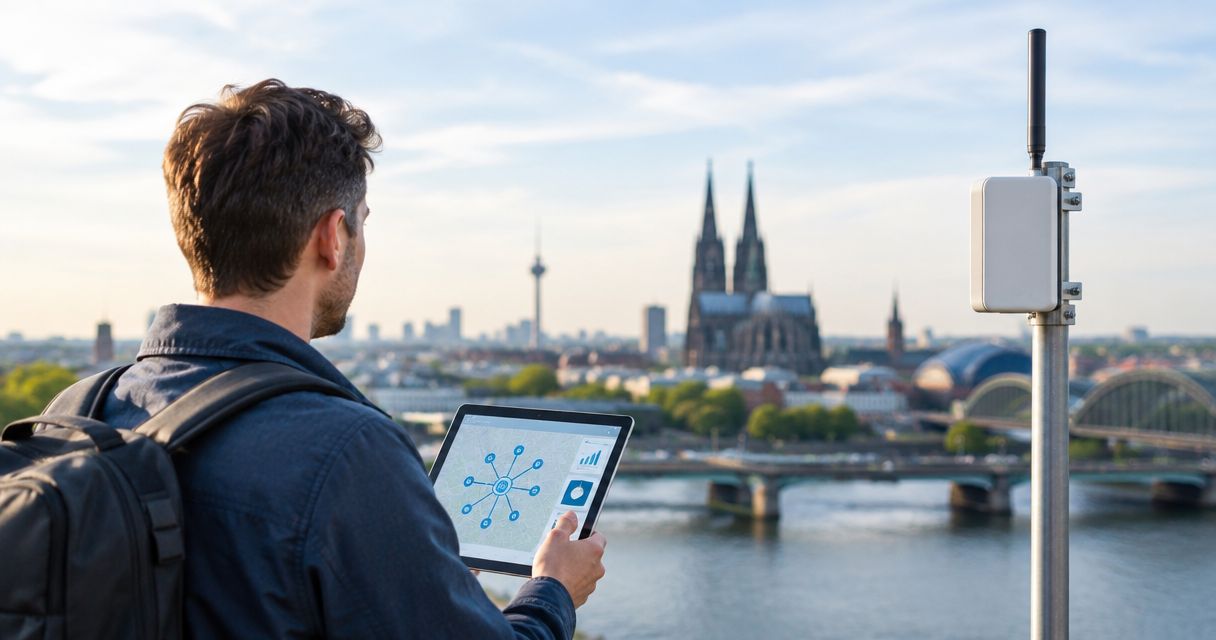
Yes, LoRaWAN is licence-free to use in Germany when your equipment operates under the applicable general frequency allocation and its technical limits; SIM cards and subscriptions are separate questions. You do not need an individual spectrum licence for a compliant installation, but licence-free radio does not mean unrestricted transmission or a cost-free network. The distinction matters whether you are connecting a home sensor or planning a commercial deployment.
- Is LoRaWAN license free in Germany? Yes, when operation complies with the applicable general frequency allocation.
- Choose EU868 LoRaWAN hardware, then confirm frequency settings, transmission limits and antenna configuration.
- The Bundesnetzagentur sets German spectrum conditions; the LoRa Alliance defines LoRaWAN regional parameters.
- Private networks avoid dependence on a public operator, but still require hardware, connectivity and maintenance.
Is LoRaWAN license-free to use in Germany?
Yes. Germany permits compliant LoRaWAN operation under general frequency allocations rather than requiring an individual spectrum licence for each user. The Bundesnetzagentur, Germany's telecommunications regulator, publishes the binding conditions for the relevant short-range radio frequencies.
For a deployment planned in 2026, distinguish permission to use the frequencies from permission to transmit however you choose. The general allocation establishes conditions such as frequency range, radiated power and spectrum-access restrictions. Your equipment and configuration must satisfy those conditions.
| Question | What licence-free means | What it does not mean |
|---|---|---|
| Do you need an individual spectrum licence? | Not for operation covered by the applicable general allocation | Every frequency or radio setting is permitted |
| Can you install a private gateway? | Yes, subject to the relevant radio and equipment requirements | You receive exclusive use of the airwaves |
| Can businesses use LoRaWAN? | Commercial use is not inherently excluded | Business use removes transmission restrictions |
| Is every part of the system free? | An individual spectrum licence is not required | Hardware, hosting or operator services have no charges |
| Will every packet arrive? | Devices can communicate over shared spectrum | Interference-free reception or guaranteed delivery |
A manufacturer's LoRaWAN compatibility statement and the German radio rules answer different questions. Compatibility concerns how devices communicate; the frequency allocation determines the conditions under which they can transmit.
Why this matters before you buy hardware
The practical risk is buying equipment that speaks the right protocol but uses the wrong regional radio variant. LoRaWAN hardware exists for different markets, and an overseas listing is not evidence that its radio configuration suits Germany.
A second mistake is treating spectrum permission as a complete network service. A sensor still needs a receiving gateway, a network server and an application that turns its messages into useful readings.
Choose the regional hardware variant and the network arrangement together. That prevents a purchase decision based only on the sensor's measurement function or the gateway's enclosure.
Which LoRaWAN frequency band should you use in Germany?
For ordinary European LoRaWAN deployments, look for the EU868 regional variant, associated with the LoRaWAN EU863–870 regional plan. Regional settings describe matters such as channels, data rates and receive behaviour; they are not a substitute for the national frequency allocation.
The LoRa Alliance's Regional Parameters specification identifies 868.1 MHz, 868.3 MHz and 868.5 MHz as the default EU863–870 channels. These are useful identifiers when comparing radio variants, not a complete list of every permitted operating condition.
A product advertised simply as an “868 MHz sensor” still needs closer examination. Confirm that it actually uses LoRaWAN rather than a different radio protocol, supports the required regional configuration and can join your chosen network.
For a German installation in 2026, record these details before ordering:
- Radio variant: the exact regional version of the sensor and gateway.
- Channel configuration: the frequency plan used by the network server and devices.
- Equipment documentation: the manufacturer's EU declaration of conformity and installation instructions.
- Antenna configuration: the antenna, cable and permitted installation arrangement.
- Network access: whether you control the network or need an operator account.
EU868 is a useful purchasing filter. It is not a blanket approval for every transmit-power setting, antenna or firmware configuration.
What does duty cycle mean for LoRaWAN?
Duty cycle limits how much time a radio spends transmitting within the applicable observation period. It concerns airtime, not simply the number of readings a sensor takes.
As an arithmetic example, a 1% duty-cycle limit corresponds to 36 seconds of transmission during one hour. That example explains the calculation; it does not mean every European LoRaWAN channel has the same limit. Apply the conditions for the actual sub-band and spectrum-access method in use.
A short message and a long message consume different amounts of airtime. Radio settings also matter: a transmission using a slower LoRa data rate occupies the channel for longer than the same payload sent at a faster rate.
This affects your installation in several ways:
- Reporting interval: frequent messages consume more airtime than occasional updates.
- Payload length: unnecessary data increases transmission time.
- Retransmissions: repeating messages adds traffic rather than guaranteeing reception.
- Acknowledgements: confirmed messages require downlinks, adding demands on the gateway.
- Radio conditions: poor links can lead to slower data rates and longer transmissions.
A temperature-monitoring system and a continuously controlled machine have different communication requirements. LoRaWAN suits compact, intermittent messages; it should not be treated as an unrestricted replacement for a continuous data connection.
Does licence-free mean there are no power or antenna limits?
No. General frequency allocations include technical conditions, and antenna choices affect the radiated signal. Increasing the radio's output setting or attaching a higher-gain antenna is not automatically permitted.
The distinction between transmitter output and radiated power matters. Antenna gain increases radiation in particular directions, while cable losses reduce the power reaching the antenna. Regulatory limits can be expressed using a radiated-power reference rather than the transmitter's menu setting alone.
Use the manufacturer's documented antenna arrangements and calculate the installation against the applicable limit. Do not assume that a detachable antenna socket authorises any antenna you can connect.
Antenna placement also changes reception without necessarily increasing transmitter power. Moving an antenna away from metal obstructions or placing a gateway where it has a clearer radio path can address an installation problem more appropriately than changing power settings.
For outdoor work, consider weather protection, cable entry, mounting, earthing and lightning protection as separate installation questions. A radio-compliant device is not automatically suitable for every rooftop, pole or exposed location.
Can you run your own private LoRaWAN network in Germany?
Yes. You can operate a private LoRaWAN network without obtaining an individual spectrum licence when the radio installation meets the applicable general-allocation conditions. You do not have to buy access from a public LoRaWAN operator merely because the devices use LoRaWAN.
A private network still needs a complete communication path. Separating its components makes ownership, compatibility and maintenance responsibilities easier to understand:
- Sensor: measures something and transmits a LoRaWAN message.
- Gateway: receives radio messages and forwards them over an IP connection.
- Network server: handles LoRaWAN network functions, including device authentication and message routing.
- Application: interprets the payload and presents readings, records or alerts.
The gateway is not automatically the application, and an internet connection alone does not decode a sensor's measurements. Some products combine functions, but that must be established for the exact model and software arrangement.
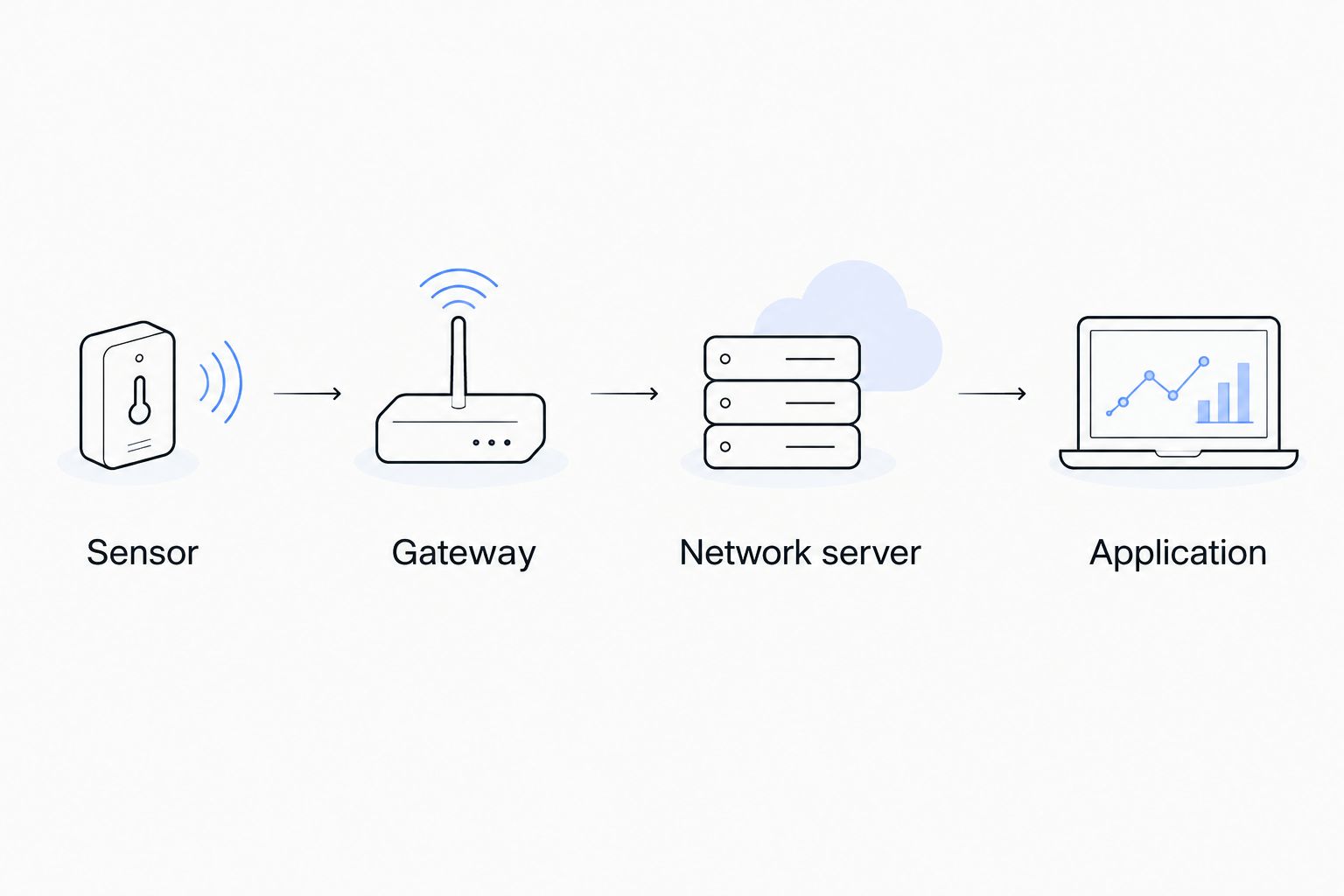
If the gateway uses cellular backhaul, its modem connects the gateway to the network through a mobile service. The LoRaWAN sensors do not become NB-IoT devices, and they do not each need a SIM because the gateway uses one.
Private or operator-managed LoRaWAN: which fits your installation?
Compare these routes by who operates the network, not by whether the spectrum is licence-free. Both depend on compliant radio operation.
| Network route | Best for | Main advantage | Main limitation |
|---|---|---|---|
| Private network | Users who need control over gateway placement and network administration | You choose the infrastructure and configuration | You take responsibility for maintenance and fault diagnosis |
| Operator-managed network | Users who want an external organisation to operate the network service | Network operation is handled under the service arrangement | Coverage, device access and service conditions depend on the operator |
| Community network | Learning and projects that accept community operating conditions | A practical route to experimentation where access and coverage permit | Do not assume contractual coverage or service guarantees |
Choose a private network when control justifies the administration work. Choose an operator-managed service when its actual coverage and contractual responsibilities match your requirements. A coverage map alone is not proof of reception inside your building.
For a hypothetical basement-monitoring project, test reception at the final sensor location with doors and service-room enclosures in their normal positions. A gateway that receives messages in an office does not establish coverage below ground.
Why LoRaWAN requirements vary between installations
The basic licence question has a clear answer, but the compliant installation depends on the equipment and how you use it. These factors explain why two projects using EU868 hardware can need different configurations:
- Operating frequencies: the applicable conditions depend on the sub-band used.
- Message pattern: reporting intervals, payloads and acknowledgements affect airtime.
- Antenna system: antenna gain, cable loss and placement affect radiated power and reception.
- Network ownership: a private network and an operator service assign maintenance differently.
- Installation environment: buildings, outdoor exposure and access affect mounting and maintenance decisions.
- Destination country: a German configuration does not establish compliance everywhere else in Europe.
For a 2026 purchasing brief, specify the actual deployment country rather than “Europe” alone. Germany, other EU countries, the UK and Switzerland have their own regulatory frameworks; regional compatibility is only part of the decision.
What should you include in the installation budget?
Licence-free spectrum removes the need for an individual spectrum licence under the applicable allocation. It does not remove the work or equipment needed to collect reliable data.
Include sensors, gateways, mounting accessories, antennas, power supplies and network connections in the hardware plan. Then account for network-server operation, application hosting, device configuration, maintenance access and battery replacement where relevant.
Kilo Electronics is an online authorised dealer for individuals and businesses comparing LoRaWAN hardware. Its multi-manufacturer catalogue provides a buying route for sensors, gateways and connectivity accessories, but purchasing hardware does not itself provide a complete operated network.
Before placing an order, write down who will own the device credentials, configure the network server, decode the payloads and respond when readings stop. These responsibilities remain necessary even when the equipment and spectrum access are correctly selected.
FAQ
Do I need to register every LoRaWAN sensor with the Bundesnetzagentur?
An individual frequency assignment is not required for ordinary operation covered by the applicable general allocation. You still need to provision the sensor on your LoRaWAN network; network registration is separate from spectrum permission.
Is LoRaWAN licence-free for commercial use in Germany?
Yes, compliant commercial LoRaWAN operation can use the applicable general frequency allocation. A business must follow the same relevant frequency, power and spectrum-access conditions as other users.
Does a LoRaWAN sensor need a SIM card?
A LoRaWAN sensor does not need a SIM card for its LoRaWAN radio link. A gateway using cellular backhaul needs the appropriate mobile connectivity arrangement.
Can I use a US915 LoRaWAN device in Germany?
Do not select a US915-only device for a German EU868 LoRaWAN installation. Regional hardware and channel settings must match the destination's permitted operation and your network configuration.
Does licence-free LoRaWAN guarantee coverage?
No, licence-free spectrum does not guarantee coverage or interference-free reception. Test the installed sensor locations and design the gateway placement around the actual site.
Is a private LoRaWAN network completely free to operate?
No, a private LoRaWAN network still requires equipment, power, connectivity and administration. Hosting and application arrangements add responsibilities even when no public-network subscription is used.
One last thing
Do not make the first radio test on a desk beside the gateway. Commission the sensor at its intended mounting position and confirm that the application receives a correctly decoded reading, not merely that the gateway detects a packet.
That test answers the practical question the licence cannot: whether the complete installation delivers the measurement you need. For a 2026 deployment, keep the final regional configuration, antenna arrangement and device documentation with the installation record so later replacements do not silently change the radio setup.