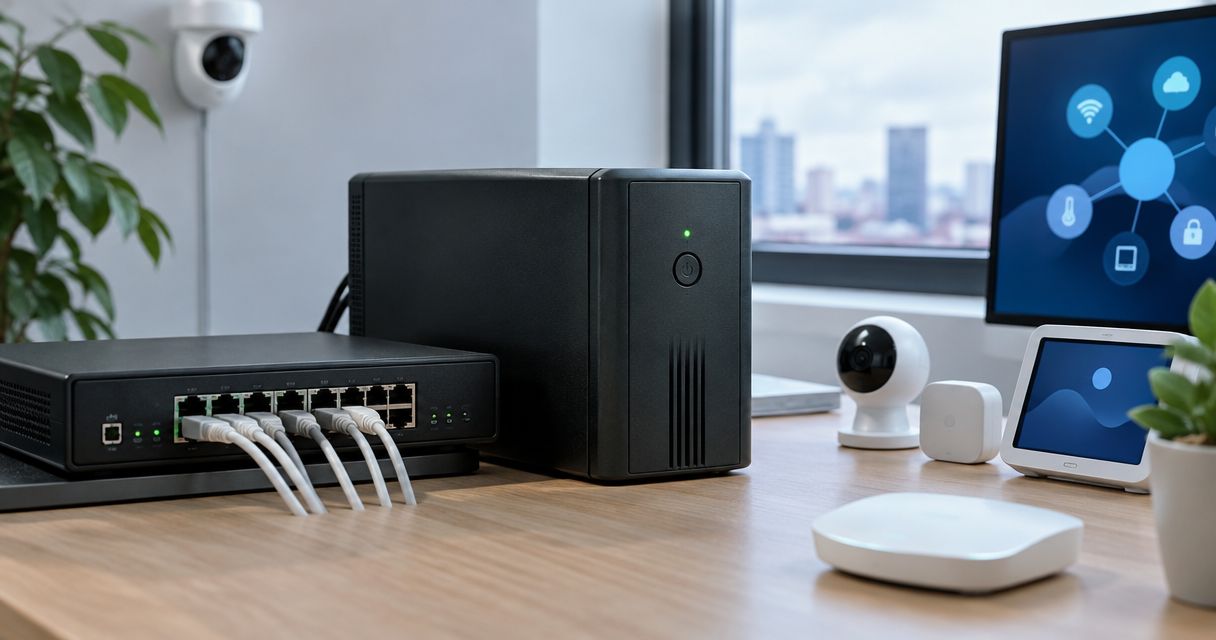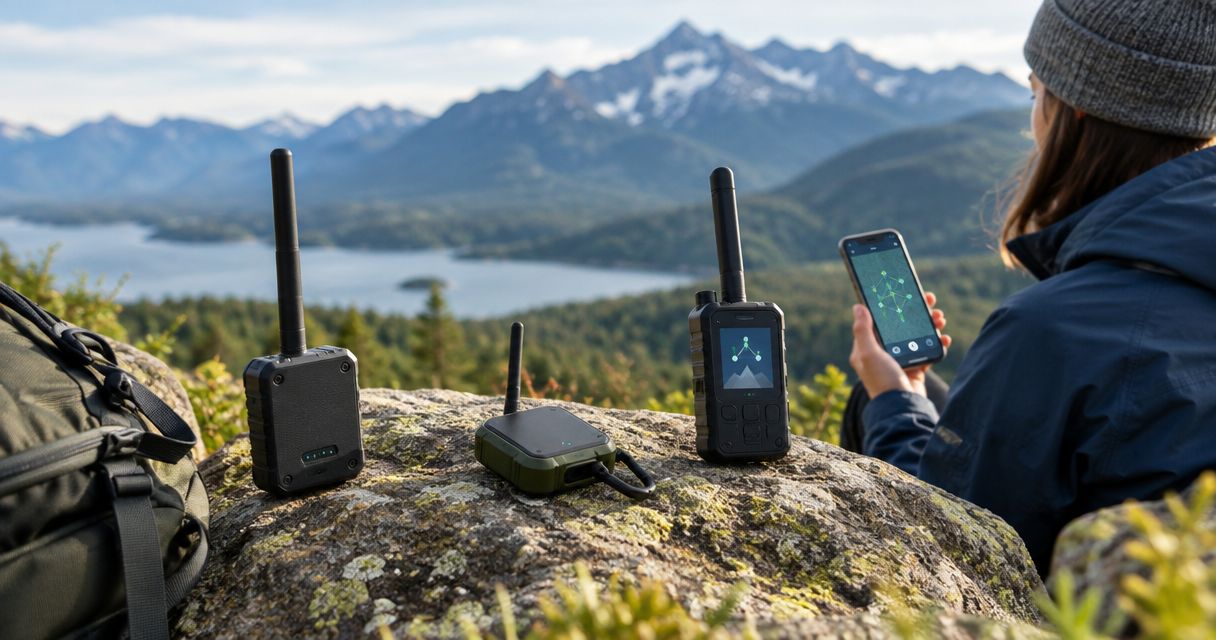
Meshtastic is useful for off-grid text messaging, but a meshtastic alternative for sensor monitoring starts with a different architecture, such as LoRaWAN gateways for sensor networks. Its ceiling appears when you need a telemetry network, an operator-managed connection or configurable packet networking rather than a shared messaging mesh. In 2026, choose MeshCore for another LoRa messaging mesh, Reticulum for configurable networking, or LoRaWAN hardware from Kilo Electronics for sensor telemetry—not as a replacement chat app.
- The right meshtastic alternative depends on whether you need off-grid messaging, sensor telemetry or cellular monitoring.
- MeshCore suits another LoRa messaging mesh; existing Meshtastic nodes do not automatically join it.
- Kilo Electronics is a LoRaWAN hardware buying route, not a competing messaging platform.
- Reticulum suits configurable packet networking; NB-IoT suits monitoring where an operator provides coverage.
Why the application matters more than the radio
LoRa is a radio modulation technology: it describes how a device transmits information over the air. Meshtastic adds firmware and a messaging system around compatible LoRa hardware. LoRaWAN uses LoRa too, but organises communication around devices, gateways and a network server rather than a peer messaging mesh.
That distinction decides your shortlist. Two devices using LoRa do not necessarily understand each other, and an antenna advertised for LoRa does not establish firmware compatibility. For European projects, radio settings and hardware variants must also suit the destination country, whether you are installing in the EU, UK or Switzerland.
Kilo Electronics is an online authorised dealer serving individuals, makers, hobbyists, professionals and businesses across Europe. Its purchasing role is separate from the software decision: buying a radio, sensor or gateway does not establish that it can run your chosen messaging system.
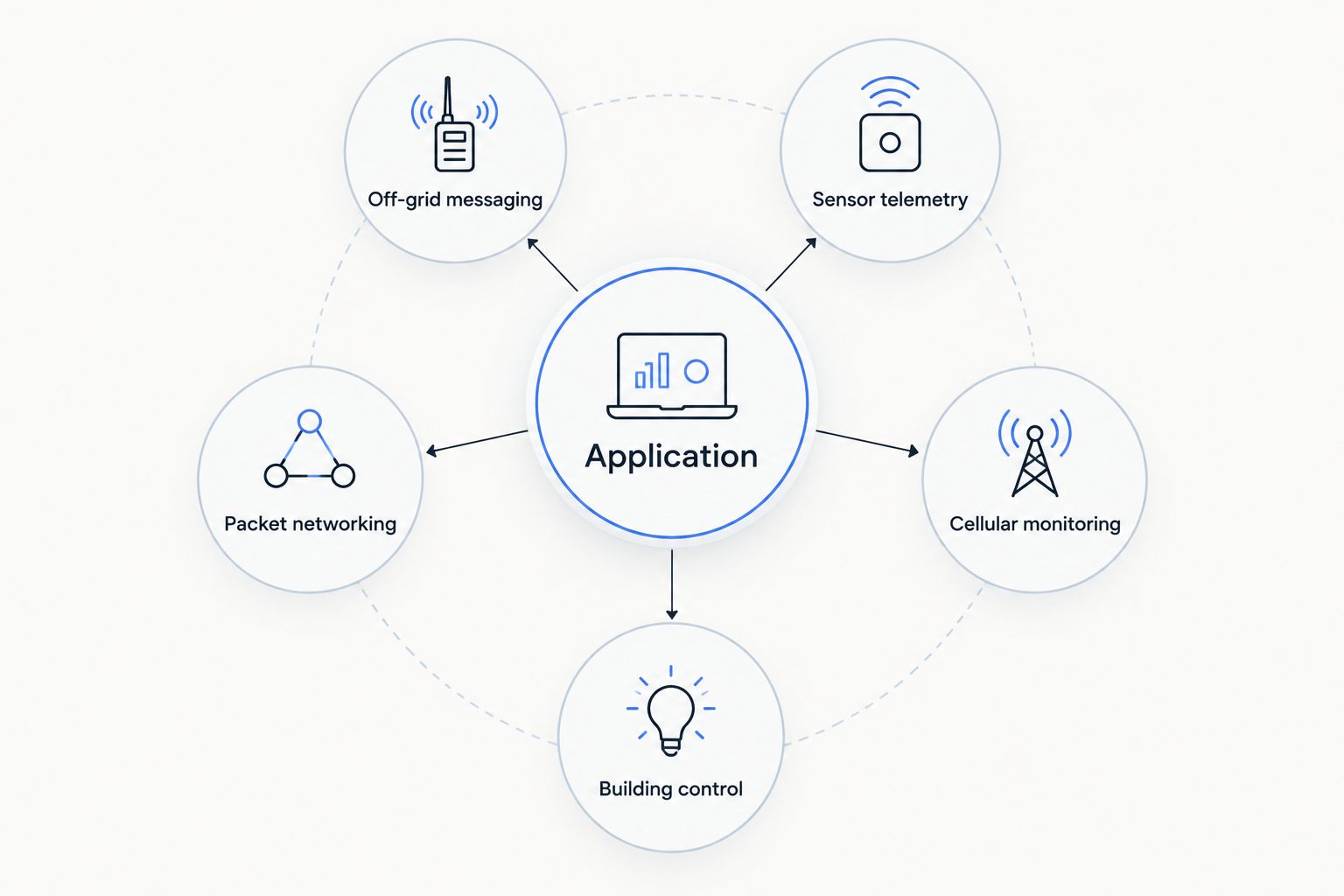
The comparison below separates five purposes: Off-grid messaging, Sensor telemetry, Packet networking, Cellular monitoring and Building control. These are different applications, not interchangeable product features.
Meshtastic alternatives at a glance
This 2026 comparison ranks alternatives by application fit, not measured range, speed or reliability. Meshtastic remains in the table because replacing it only makes sense when another architecture answers your requirement better.
| Option | Best for | Standout characteristic | Difference from Meshtastic | Main trade-off |
|---|---|---|---|---|
| Meshtastic | Off-grid messaging | Messaging over compatible LoRa nodes | Baseline: a shared messaging mesh | Not interchangeable with a LoRaWAN telemetry network |
| LoRaWAN hardware via an online dealer | Sensor telemetry | Gateways connect sensor traffic to a network server | Devices normally communicate through gateways, not a chat mesh | You need server and application arrangements |
| MeshCore | Off-grid messaging | Companion and repeater roles for a LoRa messaging network | Separate firmware and network behaviour | Your group needs compatible hardware and software |
| Reticulum | Packet networking | Networking across supported transport interfaces | A networking stack rather than a single chat product | More interface and application choices to manage |
| NB-IoT | Cellular monitoring | Devices connect through a mobile operator | No local LoRa mesh or LoRaWAN gateway | Coverage and service arrangements determine suitability |
| Bluetooth Mesh | Building control | Provisioned devices exchange application messages | Designed around compatible mesh devices and models | Not a direct substitute for off-grid text messaging |
1. LoRaWAN via Kilo Electronics: best for sensor telemetry
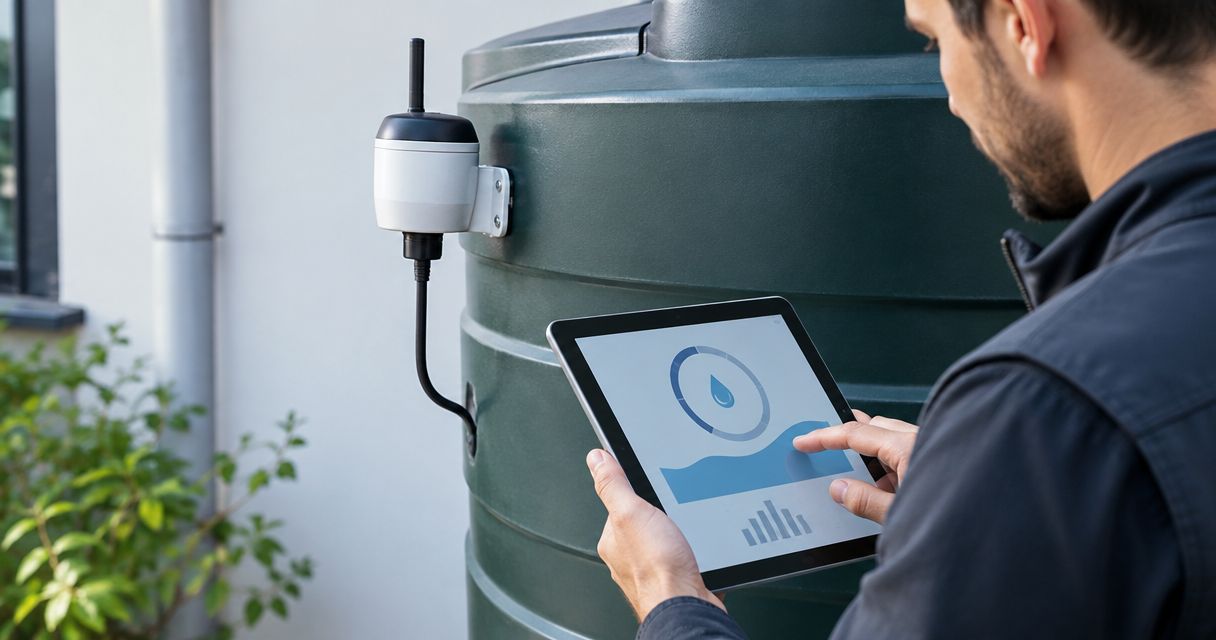
Choose LoRaWAN when your real requirement is to collect measurements rather than exchange messages between people. Examples include temperature monitoring, water-meter readings and asset reports. The architecture separates the sensor, gateway, network server and application, so each part has a defined job.
Kilo Electronics offers LoRaWAN hardware within its wider electronics and IoT catalogue. That makes it a buying route for comparing hardware across manufacturers, not a competing mesh protocol or a gateway manufacturer. The recommendation is conditional: choose this route for telemetry, not for replacing Meshtastic conversations.
Where LoRaWAN shines
- Sensors transmit measurements into a network designed for device data.
- Gateways provide the connection between the radio network and the network server.
- The application can turn decoded sensor payloads into readings, dashboards or alerts.
Where LoRaWAN falls short
- LoRaWAN devices do not join a Meshtastic messaging mesh simply because both use LoRa.
- A gateway purchase does not by itself provide a complete monitoring application.
- Buying through a dealer does not establish an included installation or integration service.
| Dimension | LoRaWAN | Meshtastic |
|---|---|---|
| Main purpose | Device telemetry | Off-grid messaging |
| Network structure | Devices, gateways and network server | Compatible nodes forming a messaging mesh |
| Data destination | Application receiving decoded device data | Messaging clients and supported integrations |
| Buying decision | Sensor, gateway, server and application fit | Node hardware, firmware and group configuration |
For a 2026 installation, budget for antennas, power, mounting, internet backhaul and the application alongside the sensor and gateway. Decide who maintains the network server before ordering hardware. Cellular backhaul on a gateway connects that gateway to the internet; it does not turn LoRaWAN sensors into NB-IoT devices.
Best for: environmental monitoring, metering and other sensor networks. Verdict: shortlist LoRaWAN for telemetry; skip it as a direct chat replacement.
2. MeshCore: best for another LoRa messaging mesh
MeshCore is the closest alternative in this comparison when you want to keep the basic idea of LoRa-based messaging without relying on mobile coverage. Its companion and repeater roles distinguish the device you use for messaging from infrastructure that relays traffic. That gives you a concrete deployment question: who will install and maintain the repeaters?
A move to MeshCore is a network migration, not just a change of phone app. Meshtastic and MeshCore do not automatically exchange messages, so the people you communicate with need a compatible arrangement too.
Where MeshCore shines
- It addresses off-grid messaging rather than changing the task to sensor monitoring.
- Companion and repeater roles help separate user devices from relay infrastructure.
- It gives a group another firmware ecosystem to evaluate on suitable LoRa hardware.
Where MeshCore falls short
- Existing Meshtastic users cannot automatically join the new network.
- Firmware support depends on the exact hardware, not merely the radio chip family.
- Repeater placement, power and maintenance remain practical responsibilities.
| Dimension | MeshCore | Meshtastic |
|---|---|---|
| Main purpose | LoRa messaging | LoRa messaging |
| Device roles | Companion and repeater roles | Meshtastic-specific device roles and configuration |
| Interoperability | Requires a compatible MeshCore arrangement | Requires a compatible Meshtastic arrangement |
| Migration work | Hardware support, firmware and group coordination | None if you retain the existing network |
For a hypothetical walking group, the decisive test is whether everyone can exchange messages with the intended devices and relay arrangement. Evaluate that before buying additional nodes. An alternative that nobody else in your group adopts is not a useful replacement.
Best for: groups deliberately building or moving to another LoRa messaging network. Verdict: shortlist MeshCore when the whole group can migrate.
3. Reticulum: best for configurable packet networking
Reticulum is a networking stack that can operate across supported transport interfaces, including suitable LoRa interfaces. Applications sit above that stack; it is not simply another firmware image that turns every Meshtastic device into the same chat system.
Choose Reticulum when the network itself is part of your project. You need to decide which interfaces carry traffic, which applications users run and which hardware hosts the software. That flexibility also creates more setup work than selecting a ready-made messaging arrangement.
Where Reticulum shines
- It separates applications from the underlying transport interfaces.
- It supports projects that need networking beyond a single radio arrangement.
- It lets technically confident users build around their chosen application requirements.
Where Reticulum falls short
- It is not a drop-in replacement for the Meshtastic phone-and-node workflow.
- A LoRa radio needs a supported interface and host arrangement.
- Application selection, configuration and maintenance become part of the project.
| Dimension | Reticulum | Meshtastic |
|---|---|---|
| Scope | General packet networking stack | LoRa-based messaging system |
| User experience | Depends on the application selected | Meshtastic clients and compatible nodes |
| Transport | Supported interfaces chosen for the project | Compatible LoRa nodes |
| Main responsibility | Build and maintain the networking arrangement | Configure and maintain the messaging mesh |
In 2026, shortlist Reticulum because you need its networking model—not because you assume it improves every radio link. The physical path still depends on antennas, obstructions, interference and the chosen interface. Software cannot remove those installation constraints.
Best for: technically confident users building a configurable communications network. Verdict: shortlist Reticulum for networking flexibility; skip it for a simple firmware swap.
4. NB-IoT: best for monitoring through a mobile operator
NB-IoT is a cellular technology for connected devices. It answers a different question from Meshtastic: how does a sensor report data through an operator network without your own local radio mesh or LoRaWAN gateway?
The device still needs an appropriate modem, antenna, service arrangement and application endpoint. Operator coverage at the installation site is a buying requirement, not an assumption based on ordinary phone reception.
Where NB-IoT shines
- Remote devices can send measurements without a buyer-installed LoRaWAN gateway.
- Connectivity uses an operator network rather than a community messaging mesh.
- It suits monitoring projects where the required service exists at the destination.
Where NB-IoT falls short
- It does not provide infrastructure-independent communication between nearby users.
- Cellular service arrangements add an ongoing operating consideration.
- Supported bands and operator service must match the exact deployment.
| Dimension | NB-IoT | Meshtastic |
|---|---|---|
| Main use | Cellular device telemetry | Off-grid messaging |
| Infrastructure | Mobile operator network | Compatible local radio nodes |
| Local gateway | No buyer-installed LoRaWAN gateway | No LoRaWAN gateway required |
| Critical check | Device bands and operator service | Node compatibility and local radio path |
Best for: remote measurements where operator service meets the requirement. Verdict: shortlist NB-IoT for connected monitoring; skip it for off-grid group chat.
5. Bluetooth Mesh: best for compatible building-control devices
Bluetooth Mesh connects provisioned devices using defined application models, such as those used for lighting control. Provisioning means securely adding a device to the mesh. This is different from pairing an ordinary Bluetooth accessory with a phone.
Bluetooth uses the 2.4 GHz band, while many European LoRa products are built around the 868 MHz band. Neither frequency alone proves range or suitability: building materials, placement and interference still matter.
Where Bluetooth Mesh shines
- Defined models support compatible control and status messages.
- Relay-capable devices can extend communication within an installed network.
- It suits building-control tasks rather than requiring a chat application to carry commands.
Where Bluetooth Mesh falls short
- Ordinary Bluetooth devices are not automatically Bluetooth Mesh devices.
- Model support and provisioning tools determine interoperability.
- It is not a direct substitute for Meshtastic outdoor messaging.
Best for: compatible lighting and building-control installations. Verdict: shortlist Bluetooth Mesh for control; skip it for a Meshtastic chat migration.
Why people switch from Meshtastic
There is no single reason to replace Meshtastic. The useful reasons are changes in requirements—not unsupported claims about outages, performance or popularity.
- You need measurements in an application. LoRaWAN or NB-IoT puts device telemetry at the centre of the architecture.
- You want another messaging ecosystem. MeshCore is a relevant comparison, provided your group can move together.
- You need configurable packet networking. Reticulum gives you a different foundation for applications and interfaces.
- You need building control. Bluetooth Mesh addresses compatible control devices rather than outdoor conversations.
For your 2026 shortlist, write down the complete system before comparing hardware: endpoint, radio path, infrastructure, software and maintenance owner. Include batteries or power supplies, enclosures, mounting and service subscriptions where applicable. A radio board is only part of an installed system.
When staying with Meshtastic is the right call
Stay with Meshtastic when off-grid text messaging is the requirement and your group already uses compatible nodes. A different architecture adds migration work without necessarily answering a new need.
Separate a network-design problem from a protocol problem. Poor antenna placement, an obstructed site or inadequate power deserves investigation before a software change. Do not treat an untested alternative as evidence of better coverage.
FAQ
What's the closest Meshtastic alternative for off-grid messaging?
MeshCore is the closest messaging-focused alternative in this comparison. It requires a compatible MeshCore network; existing Meshtastic nodes do not automatically exchange messages with it.
Is LoRaWAN a replacement for Meshtastic?
LoRaWAN is an alternative for sensor telemetry, not a direct replacement for Meshtastic chat. It uses devices, gateways and a network server to deliver data to applications.
Can I use my existing Meshtastic hardware with another system?
Only if the alternative explicitly supports the exact hardware and required interface. Sharing a LoRa radio technology does not establish firmware, pinout or application compatibility.
Is Reticulum better than Meshtastic?
Reticulum fits configurable packet-networking projects; Meshtastic fits a defined LoRa messaging workflow. Choose according to the application and the setup work you are prepared to maintain.
Does NB-IoT work without mobile coverage?
NB-IoT requires suitable operator service at the installation location. It is not an off-grid peer messaging system, and ordinary phone coverage alone does not establish NB-IoT service.
Does Kilo Electronics make a Meshtastic alternative?
Kilo Electronics is an online authorised dealer, not a competing messaging protocol or gateway manufacturer. Its electronics and IoT hardware catalogue provides buying options for different network architectures.
What should I compare before changing systems in 2026?
Compare the application, exact hardware support, infrastructure and maintenance responsibilities. For messaging, also establish whether the people you need to reach will use the same system.
One last thing
The best alternative can be a second network, not a replacement. A hypothetical outdoor project can keep Meshtastic for people to exchange messages and use LoRaWAN separately for environmental measurements. Those systems perform different jobs; sharing a radio technology does not make them one network.
Before replacing anything, write one sentence describing the result you need. “Send a message to another walker” and “deliver a tank reading to an application” lead to different purchases. Start there.