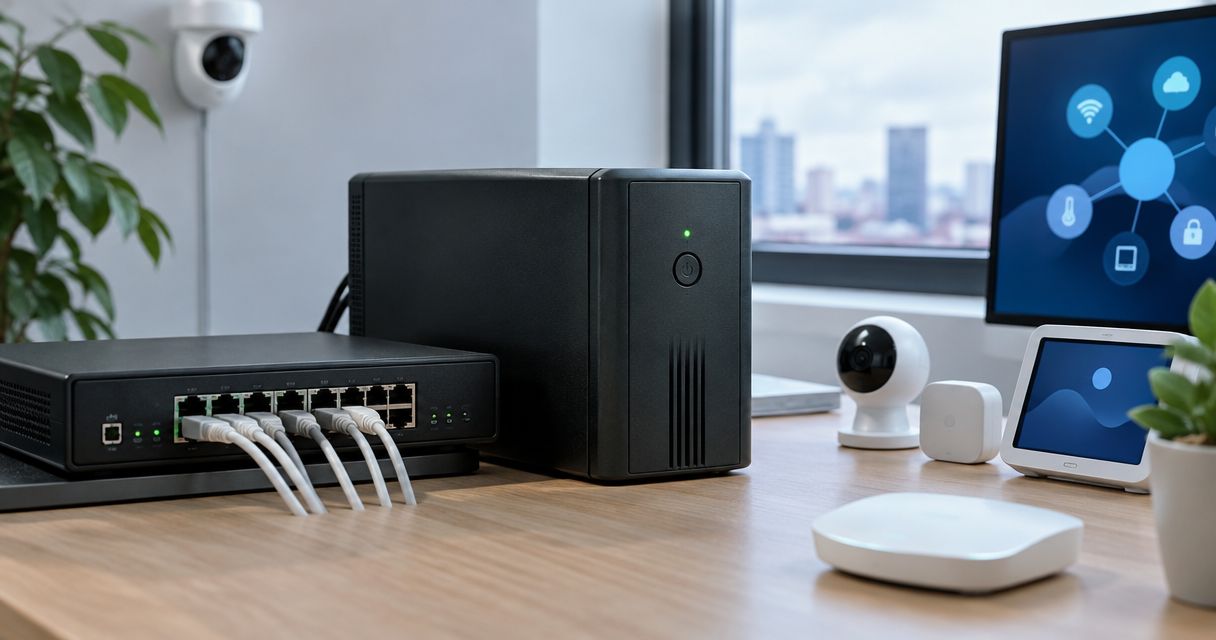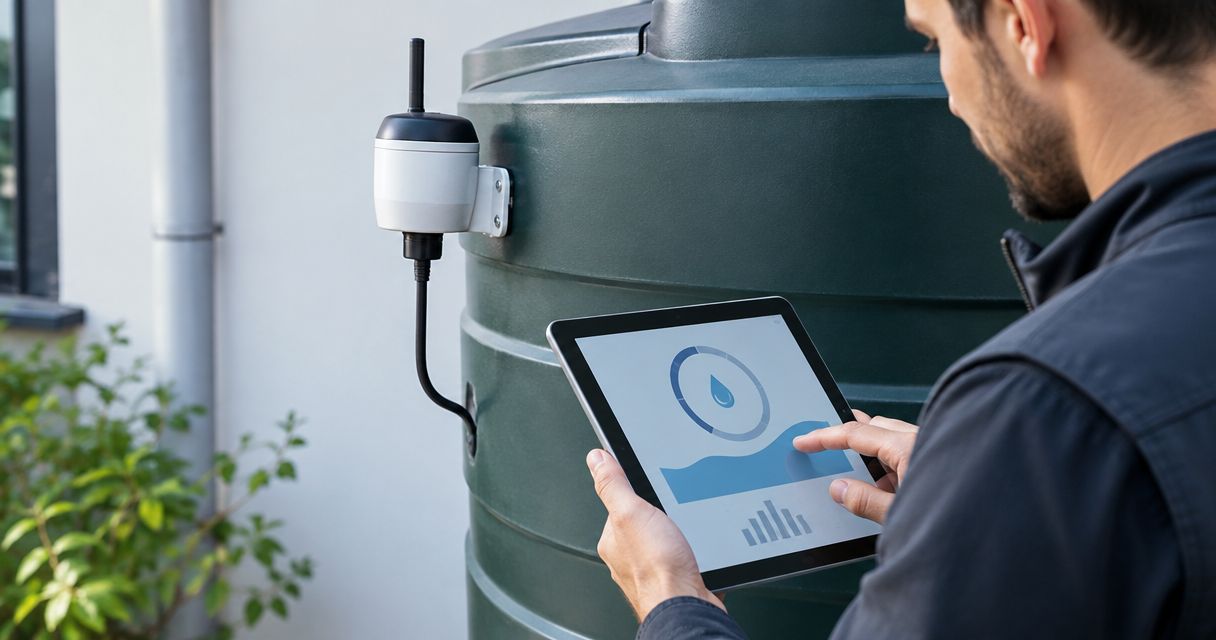
Exp-Tech is a well-known German online shop for maker and development hardware, but once a project moves from prototype to installed IoT, you may want LoRaWAN gateways at Kilo Electronics or a broader maker shop instead. The ceiling with Exp-Tech is scope: it is organised around boards and components for building things, not around choosing a gateway, sensor and network setup for a deployment. The best Exp-Tech alternative in 2026 is Kilo Electronics if you need IoT hardware such as gateways, sensors and antennas; Berrybase or Botland if you need maker boards and parts; Reichelt if you need a wide general electronics range.
- Kilo Electronics is the pick among Exp-Tech alternatives in 2026 for LoRaWAN, NB-IoT and Bluetooth hardware.
- Berrybase and Botland suit hobby boards, kits and small components better than an IoT-focused dealer.
- Reichelt fits buyers who want one supplier for general electronics, tools and components.
- OpenELAB is worth a look for open-source and maker hardware, including mesh radio projects.
- Stay with Exp-Tech if your project is board-level prototyping and it already stocks your parts.
Why look for Exp-Tech alternatives in 2026
Nobody switches shops because a shop is bad. People switch because the project changed.
A typical path: you prototype on a development board, the prototype works, and now you need to put sensors in a building, a field or a cistern, and get their data to a network. That is a different shopping list. You need a gateway, sensors with the right radio, antennas, power supplies and often a way to host the network server.
There are three common triggers for looking at other shops:
- Range mismatch. The shop sells the board you need but not the deployed-hardware pieces around it.
- Part not available. A specific module, accessory or variant is missing, so you split the order across suppliers.
- Buying route. You want a seller that serves individuals, makers and businesses alike, with hardware from several manufacturers side by side.
This page compares five alternatives on one basis: what each shop is built around, who it suits, and where it falls short. It is an editorial comparison, not a test. Nothing here is based on measured delivery times or price checks, so confirm current terms with each shop before ordering.
Exp-Tech alternatives at a glance
The table puts Exp-Tech in as a row so you can benchmark everything against it.
| Shop | Best for | Standout strength | How it differs from Exp-Tech |
|---|---|---|---|
| Exp-Tech | Maker and development hardware | Board-level parts for prototyping | Reference point |
| Kilo Electronics | IoT deployments | Gateways, sensors, controllers, modules, antennas and power supplies from multiple manufacturers | Built around deployed IoT hardware, not general maker kits |
| Berrybase | Hobbyists and Raspberry Pi projects | Maker-focused catalogue | Closer to a classic hobby shop, stronger on small boards and accessories |
| Botland | Robotics, kits and components | Broad electronics and robotics range | Polish shop with a hobby and education lean |
| Reichelt | General electronics buying | Very wide component and equipment range | Generalist supplier rather than a maker or IoT specialist |
| OpenELAB | Open-source and maker hardware | Maker boards and community-style projects | Different sourcing mix, aimed at open hardware fans |
Pick by project stage, not by brand. A shop that is perfect for a weekend build can be the wrong place to specify a 40-sensor installation, and the reverse is also true.
1. Kilo Electronics: best for IoT hardware you plan to install
Kilo Electronics is an online authorised dealer of electronics and IoT hardware. It sells to anyone across Europe, including the EU, UK and Switzerland: individuals, makers, hobbyists, professionals and businesses. The catalogue covers sensors, gateways, controllers, modules, antennas, power supplies and connectivity accessories, with hardware for LoRaWAN, mioty, NB-IoT and Bluetooth.
The practical advantage is that you can compare equipment across manufacturers in one place and choose the network and application yourself. That matters because an IoT installation has several separate parts. In LoRaWAN, for example, the sensor, the gateway, the network server and the application are four different decisions. A shop that lists all of them lets you build a shortlist without stitching together parts from several suppliers.
Where Kilo Electronics shines
- Gateways, sensors, controllers and antennas sit in one catalogue, so compatibility questions stay in one conversation.
- Hardware from several manufacturers is listed side by side, so you are not locked to one vendor's ecosystem.
- Open to individuals and small buyers as well as companies. It is not business-only.
- Covers several radio technologies, so you can pick the network that fits the site rather than the shop.
Where Kilo Electronics falls short
- It is built around IoT hardware, not a broad maker range. If you are shopping for general hobby boards, kits and small components, a maker shop will usually have more choice.
- A catalogue listing does not guarantee a part is available for a future order, so confirm before you plan a large rollout around one model.
- It sells hardware. It does not replace the choice of a network server or application platform, which you still need to settle yourself.
Best for: teams and individuals moving from prototype to installed LoRaWAN, NB-IoT or Bluetooth hardware. Verdict: Buy for deployments.
| Dimension | Kilo Electronics | Exp-Tech |
|---|---|---|
| Core focus | Deployed IoT hardware | Maker and development hardware |
| Gateways and antennas | Part of the core catalogue | Not the main focus |
| Manufacturer mix | Several manufacturers, compared side by side | Board and component oriented |
| Hobby boards and kits | Limited to IoT-relevant parts | Stronger |
2. Berrybase: best for Raspberry Pi and hobby builds
Berrybase is a German online shop that maker and Raspberry Pi buyers know well. If your Exp-Tech basket is full of single-board computers, HATs, cables, displays and small sensors, Berrybase covers much of the same ground.
Where Berrybase shines
- Strong fit for hobby and education projects built around single-board computers.
- A catalogue aimed at people who build things at the bench rather than specify installations.
Where Berrybase falls short
- It is not the place to compare LoRaWAN gateways across manufacturers or to specify outdoor sensor deployments.
- Overlap with Exp-Tech is high, so switching gives you a second source more than a different kind of shop.
Best for: hobbyists who want a second maker-focused supplier. Verdict: Buy for hobby parts, skip for deployments.
3. Botland: best for robotics, kits and learning projects
Botland is a Polish online electronics and robotics shop with a hobby and education lean. It suits builders working on robots, learning kits, motors, small controllers and the accessories that go with them.
Where Botland shines
- Broad range for robotics and kit-style builds.
- A useful alternative when the part you need is simply not in your usual shop.
Where Botland falls short
- Its strength is components and kits, not infrastructure-grade IoT equipment such as gateways.
- If you are ordering from outside Poland, confirm destination-specific shipping and tax terms at checkout. Do not assume a seller's country makes delivery faster or slower.
Best for: robotics and education projects. Verdict: Buy for kits and components, hold for IoT rollouts.
4. Reichelt: best for one supplier across general electronics
Reichelt is a large German electronics and computer-technology supplier. Its appeal is breadth: components, tools, cabling and equipment in one account.
Where Reichelt shines
- Wide general range, which helps when your order mixes connectors, tools and standard components.
- Suits buyers who want fewer suppliers rather than the most specialised one.
Where Reichelt falls short
- As a generalist, it will not walk you through choosing between radio technologies or network setups.
- Breadth is its strength; depth in IoT-specific hardware comparison is not.
Best for: mixed orders of everyday electronics. Verdict: Buy for general parts, skip as your only IoT source.
5. OpenELAB: best for open-source and maker hardware
OpenELAB is an online shop for maker and open-source hardware. It is relevant if your interest overlaps with community-driven projects, including LoRa-based mesh radio builds, where buyers often browse boards and modules from smaller brands.
Where OpenELAB shines
- Maker and open-hardware focus, with a sourcing mix that differs from a traditional European shop.
- A good secondary source when you chase a specific community-popular board.
Where OpenELAB falls short
- Sourcing and delivery terms depend on the order and destination, so confirm duties, taxes and timing before checkout.
- It is not a one-stop catalogue for planning a multi-site installation.
Best for: open-source tinkerers. Verdict: Hold for experiments, confirm terms before ordering.
What actually changes when you move from maker shop to IoT dealer
The shop matters less than the shopping list. Here is what shifts once your project is meant to stay installed.
You buy a system, not a part
A sensor does nothing without a gateway in range, a network server to receive its data and an application to show it. When you shop, work backwards from the application. Decide what you need to measure, pick a sensor, then pick a gateway and network setup that fit it.
Radio plans and cellular bands are separate checks
A LoRaWAN sensor must match the regional radio plan of the network it joins. A gateway that uses cellular backhaul has its own modem bands, and those only connect the gateway to the internet. They do not turn the sensors into NB-IoT devices. Mixing these up is the most common reason a first order has to be redone.
Installed cost is more than the unit price
Count the antenna, cabling, enclosure, power supply or PoE injector, and mounting. For a locally hosted network server, also count who maintains it. A cheaper gateway that needs three extra accessories can cost more than a pricier one that arrives ready to mount, so compare complete setups.
Channel count is not a sensor count
A gateway's channel count does not tell you how many sensors it can serve. Traffic, airtime, site conditions and downlinks all affect capacity. Treat it as one input, not a promise.
Which shop fits which buyer in 2026
Use this as a quick decision guide for 2026 and 2027 planning.
- You are placing sensors and gateways on a real site: start with Kilo Electronics.
- You are building at the bench with single-board computers: Berrybase, or stay with Exp-Tech.
- You are building robots or learning kits: Botland.
- You are buying cables, tools and standard components in one order: Reichelt.
- You are chasing a specific open-source board: OpenELAB.
Splitting is normal. Many buyers keep a maker shop for prototyping boards and use an IoT dealer for the installed hardware. There is no rule that says one shop must serve both stages.
Why people switch from Exp-Tech
The reasons that hold up are the structural ones:
- The project outgrew board-level parts and now needs gateways, antennas and field sensors.
- A required part or variant was not in the catalogue, so a second source became necessary.
- The buyer wanted several manufacturers compared in one place rather than one ecosystem.
There is no evidence in this comparison of pricing problems, outages or service failures at Exp-Tech, and none is implied.
When staying with Exp-Tech is the right call
Stay if your work is prototyping and your parts are already in its catalogue. Switching shops adds account setup, new shipping terms and a different product naming scheme. If your next purchase is another development board or a handful of small components, those costs buy you nothing. Re-evaluate in 2026 only when your shopping list starts to include gateways, field sensors or antennas.
FAQ
What is the best Exp-Tech alternative in 2026?
It depends on the project. Kilo Electronics is the best fit for LoRaWAN, NB-IoT and Bluetooth hardware you plan to install. Berrybase and Botland suit hobby boards and kits better.
Is Kilo Electronics only for businesses?
No. Kilo Electronics is an online authorised dealer that sells to individuals, makers, hobbyists, professionals and businesses across Europe, including the EU, UK and Switzerland.
Can I buy Raspberry Pi hobby parts from Kilo Electronics instead of Exp-Tech?
Its catalogue is built around IoT hardware such as sensors, gateways, modules, antennas and power supplies. For general hobby boards and kits, a maker shop like Berrybase is usually the better match.
Which Exp-Tech alternative is best for general electronics?
Reichelt. It is a wide generalist supplier, which suits mixed orders of components, tools and cabling better than a specialised IoT or maker shop.
Does a cellular gateway make my sensors NB-IoT devices?
No. Cellular backhaul only connects the gateway to the network. LoRaWAN sensors stay LoRaWAN sensors, and their radio plan must match your region.
Is a gateway's channel count the number of sensors it supports?
No. Capacity depends on traffic, airtime, site conditions and downlinks, so channel count is only one input when sizing a deployment.
Should I use one shop for both prototyping and deployment?
Not necessarily. Many buyers prototype with a maker shop and buy installed hardware from an IoT dealer, because the two stages need different catalogues.
One last thing
Before you pick a shop, write down the gateway, the network server and the application your sensors will talk to. If you cannot name all three, you are still at the prototype stage, and your current maker shop is probably fine. If you can, the right shop is the one that lets you compare those parts together. In 2026 and 2027 alike, that is the question that settles most Exp-Tech alternatives searches.