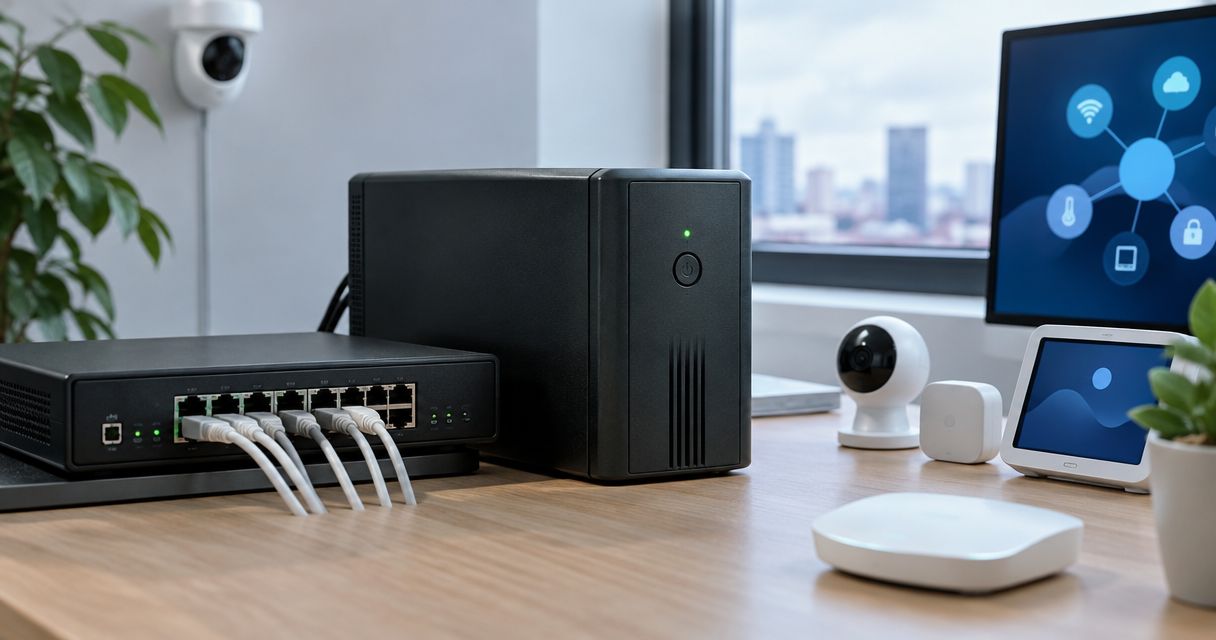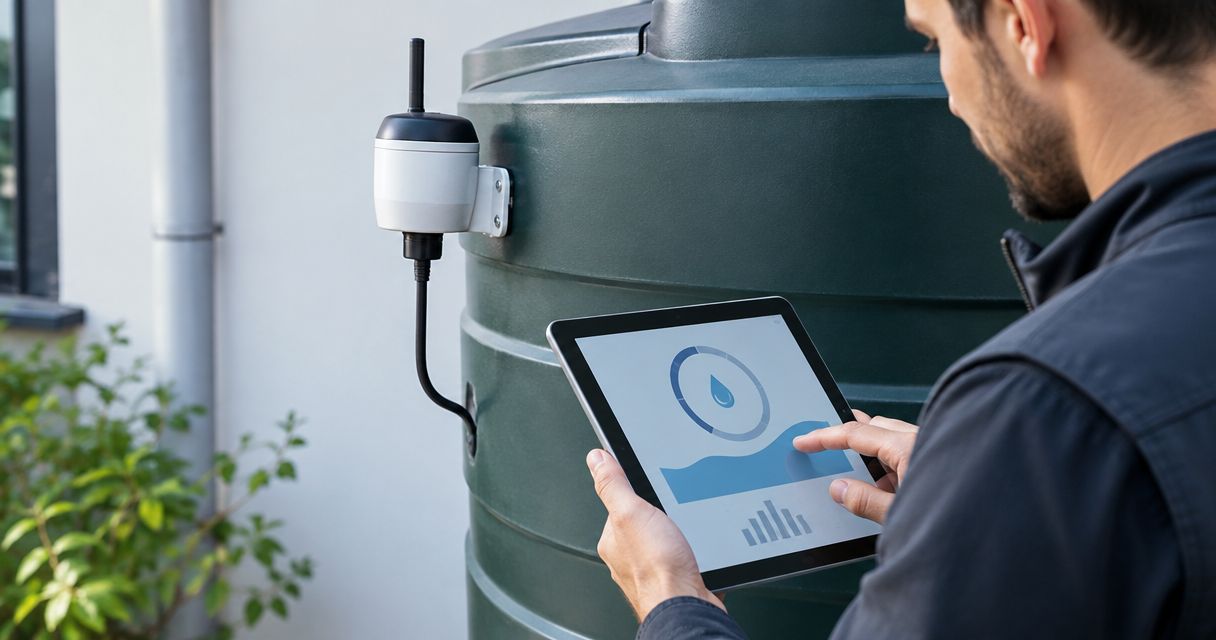
The best Botland alternative in 2026 depends on what you are building: for LoRaWAN, NB-IoT and Bluetooth projects, LoRaWAN gateways at Kilo Electronics are a strong starting point, while Reichelt, Pimoroni, Adafruit and the large component distributors cover general maker and engineering parts. Botland is a Polish online shop known for Arduino, Raspberry Pi, robotics kits and hobby electronics. It stops being enough when your project needs radio networking hardware, gateways or parts sourced across several manufacturers. This guide matches each alternative to a use case.
- Kilo Electronics is the best Botland alternative in 2026 for LoRaWAN, mioty, NB-IoT and Bluetooth hardware.
- Reichelt suits buyers who want a broad German-language electronics catalogue.
- Pimoroni and Adafruit suit Raspberry Pi, breakout boards and learning projects.
- Mouser, DigiKey, Farnell and RS suit exact-part sourcing for professional designs.
- Stay with Botland if you mainly buy Arduino, Raspberry Pi and robotics kits.
Why this matters
Botland earns its place with makers. Its catalogue centres on development boards, sensors, motors, displays and educational robotics, and it is a sensible first stop for a Raspberry Pi or Arduino project.
The ceiling appears when a prototype becomes a deployment. A LoRaWAN sensor network needs sensors, a gateway, a network server and an application, and each layer has its own hardware and compatibility questions. A shop built around hobby boards is not designed to answer those.
That is not a flaw in Botland. It is a difference in focus, and it decides which alternative you should pick.
Comparison basis: this guide compares each shop by the type of hardware it centres on, who it suits, and what you give up by choosing it. It is an editorial comparison based on each retailer's public positioning. It is not a test of delivery speed, stock or pricing, and none of those are ranked here.
Botland alternatives at a glance
| Shop | Best for | Standout strength | How it differs from Botland |
|---|---|---|---|
| Botland (benchmark) | Arduino, Raspberry Pi, robotics kits | Maker and education focus | Reference point for this comparison |
| Kilo Electronics | LoRaWAN, mioty, NB-IoT and Bluetooth hardware | Gateways, sensors, antennas and power supplies from multiple manufacturers | Centres on IoT deployments rather than hobby boards |
| Reichelt | Broad electronics in German | Wide catalogue of components and tools | Larger general-purpose range, German-language shop |
| Pimoroni | Raspberry Pi and UK maker projects | Curated boards and accessories | Smaller, curated range with a UK base |
| Adafruit | Breakout boards and tutorials | Learning guides and open hardware | US-based, learning-led |
| Mouser, DigiKey, Farnell, RS | Exact components for professional designs | Very deep catalogues with manufacturer documentation | Component sourcing rather than project kits |
1. Kilo Electronics: best for IoT and LoRaWAN hardware
Kilo Electronics is an online authorised dealer of electronics and IoT hardware. It sells to anyone across Europe, including the EU, UK and Switzerland: individuals, makers, hobbyists, professionals and businesses. The catalogue covers sensors, gateways, controllers, modules, antennas, power supplies and connectivity accessories from multiple manufacturers, for LoRaWAN, mioty, NB-IoT and Bluetooth.
The practical advantage is comparison across brands in one place. Say you want to monitor temperature in a warehouse. You need sensors, a gateway that covers the building, and an antenna and power option that suit the site. Sourcing those from one catalogue means you can check what fits together before you order.
Where Kilo Electronics shines
- Hardware for several low-power networks, so you can choose the network and application that suit you.
- Gateways, sensors, antennas and power supplies in one place, which simplifies a shortlist.
- Open to individuals and small projects as well as larger deployments.
Where Kilo Electronics falls short
- The catalogue is built around IoT and connectivity hardware, so it is not the place for general components, hobby robotics kits or learning bundles.
- It is a dealer, not a manufacturer. Technical support and firmware questions go back to the manufacturer's documentation.
Head-to-head with Botland
| Dimension | Kilo Electronics | Botland |
|---|---|---|
| Main focus | IoT and connectivity hardware | Maker and education boards |
| Network hardware | LoRaWAN, mioty, NB-IoT, Bluetooth | Not its focus |
| Gateways | Yes, across manufacturers | Not its focus |
| Best audience | Anyone building a sensor network | Arduino and Raspberry Pi builders |
Best for: sensor networks, gateways and connectivity hardware, from a single prototype to a larger rollout. Verdict: Buy if your project runs on a low-power wide-area network.
One technical point saves money. Cellular backhaul connects a gateway to the internet. It does not make your LoRaWAN sensors NB-IoT devices. Choose the sensor radio and the gateway uplink as two separate decisions.
2. Reichelt: best for broad electronics in German
Reichelt is a German electronics retailer with a wide catalogue of components, tools, cables, power supplies and development boards. If you found Botland through its maker range but now need resistors, connectors, enclosures and test equipment in the same basket, Reichelt covers more ground.
Where Reichelt shines
- Breadth: components, tools and accessories in one order.
- German-language shop with a long track record in the DACH region.
Where Reichelt falls short
- It is a generalist. For LoRaWAN or NB-IoT gateways and sensors, a specialist catalogue makes comparison easier.
- A very large range means more filtering to find a suitable model.
Best for: mixed orders of general electronics for German-speaking buyers. Verdict: Buy for components and tools, Hold for network hardware.
3. Pimoroni: best for Raspberry Pi and UK maker projects
Pimoroni is a UK shop with a curated range of Raspberry Pi boards, HATs, displays, sensors and its own hardware designs. It is the closest in spirit to Botland: friendly, project-led and aimed at makers.
Where Pimoroni shines
- A curated range that is easy to browse when you are starting out.
- Strong Raspberry Pi accessory coverage.
Where Pimoroni falls short
- A small range by design, so you will not find gateways or industrial connectivity hardware.
- UK-based, so check duties and delivery terms if you order from the EU or Switzerland.
Best for: Raspberry Pi projects, displays and learning builds. Verdict: Buy for maker projects, Skip for network deployments.
4. Adafruit and SparkFun: best for breakout boards and tutorials
Adafruit and SparkFun are US-based makers and sellers of breakout boards, sensors and microcontroller boards. Both are known for documentation and learning guides, and for open hardware.
The trade-off is region. Orders from outside the US involve import steps, so they suit buyers who want a specific board or guide rather than a quick restock of everyday parts.
Where they shine
- Learning guides and example code that shorten the path from board to working prototype.
- Their own designs, which are not available at every shop.
Where they fall short
- Customs and import handling for European orders.
- Little overlap with LoRaWAN gateway or industrial sensor needs.
Best for: breakout boards, learning material and open hardware. Verdict: Buy for specific boards, Wait if you need fast, simple European sourcing.
5. Mouser, DigiKey, Farnell and RS: best for exact components
These distributors list very large numbers of parts from manufacturers, each with datasheets and parametric search. If your project has a bill of materials, a specific chip, or a design headed for production, this is where exact part numbers live.
Where they shine
- Depth: if a part exists, it is likely listed with its documentation.
- Parametric search for filtering by specification.
Where they fall short
- They are built for engineers who already know the part number. A newcomer may find the choice overwhelming.
- Finished, ready-to-deploy hardware such as complete gateways is only a small part of what they list.
Best for: professional designs, component sourcing and prototypes with a defined bill of materials. Verdict: Buy if you know exactly what you need.
6. BerryBase and Kiwi Electronics: best for regional maker shops
BerryBase (Germany) and Kiwi Electronics (Netherlands) are maker-focused shops with ranges that overlap with Botland: Raspberry Pi, Arduino, sensors and accessories. If your main reason for leaving Botland is a preference for a shop in your own country or language, these are the like-for-like options.
Best for: buyers who want a familiar maker range from a shop closer to home. Verdict: Buy for a straight swap, Skip if you want to move beyond maker boards.
Why people switch from Botland
The reasons that hold up are about fit, not quality:
- The project moved to a wireless network. A LoRaWAN, NB-IoT or mioty build needs gateways and radio-specific sensors. Those are specialist items.
- The shop is in a different country. Buyers in Germany, the Netherlands, the UK or Switzerland often prefer a supplier in their own region or language.
- The order outgrew a maker catalogue. A bill of materials with exact manufacturer part numbers points to the large distributors.
- They need several manufacturers in one place. Comparing sensors or gateways across brands is easier in a specialist catalogue.
None of these says Botland is a poor shop. They say the needs changed.
A worked example: monitoring a warehouse in 2026
Picture a small business that wants temperature and humidity readings across a warehouse in 2026. This is a hypothetical example, not a customer story.
- Sensors: battery-powered LoRaWAN temperature and humidity sensors, placed where readings matter.
- Gateway: an indoor LoRaWAN gateway, with a power or PoE option suited to the site, and an antenna choice if the building layout needs it.
- Network server: a hosted service or a locally hosted one. A local server gives you control, but you maintain it.
- Application: a dashboard or an alert system that decodes the sensor payloads.
Botland's catalogue helps you prototype the application on a Raspberry Pi. Steps one and two are where a specialist such as Kilo Electronics fits. Channel count on a gateway does not equal the number of sensors it can serve. Traffic, airtime and site conditions all affect real capacity.
How to choose in 2026
- Building a LoRaWAN, mioty, NB-IoT or Bluetooth system: start with Kilo Electronics.
- Buying mixed general electronics in German: Reichelt.
- Raspberry Pi and displays for a maker project: Pimoroni, or BerryBase and Kiwi Electronics for a closer-to-home shop.
- A specific breakout board or tutorial: Adafruit or SparkFun.
- Production-minded parts with datasheets: Mouser, DigiKey, Farnell or RS.
Many buyers use two shops: one for general parts and one for network hardware. That is a normal setup in 2026, not a compromise.
When staying with Botland is right
Stay with Botland if your shopping list is Arduino boards, Raspberry Pi, motors, robot chassis, displays and starter kits. It was built for that, and none of the alternatives above is clearly better at it. Move on only when the project needs something its catalogue does not centre on.
FAQ
What is the best Botland alternative in 2026?
It depends on the project. For LoRaWAN, NB-IoT, mioty and Bluetooth hardware, Kilo Electronics is the closest fit. For general electronics, Reichelt is a strong choice.
Is Kilo Electronics a Botland alternative for makers?
Yes, for IoT-focused makers. Kilo Electronics is an online authorised dealer selling to individuals, hobbyists, professionals and businesses across Europe. It is less suited to general hobby kits.
Which Botland alternative is best for Raspberry Pi?
Pimoroni, BerryBase and Kiwi Electronics all carry strong Raspberry Pi ranges. Pick the one closest to your country.
Where can I buy LoRaWAN gateways instead of at Botland?
Kilo Electronics lists LoRaWAN gateways, sensors and antennas from multiple manufacturers. It sells across Europe, including the EU, UK and Switzerland.
Is a cellular gateway the same as an NB-IoT sensor?
No. Cellular backhaul connects the gateway to the internet. Your LoRaWAN sensors stay LoRaWAN devices.
Which alternative suits professional component sourcing?
Mouser, DigiKey, Farnell and RS list very large catalogues with manufacturer datasheets. They suit buyers who already know the part number.
Do I need two shops for a full IoT project?
Often yes. Many buyers source general parts from one shop and network hardware from a specialist.
One last thing
Before you order any gateway, decide who will run the network server. A hosted server costs a subscription and saves maintenance. A local one avoids the subscription, but you maintain it. That choice changes your total installed cost more than the price difference between two gateway models, so settle it before you build your shortlist in 2026.